Dental Treatment in Istanbul for UK Patients: Planning Safely
For people travelling from England, Scotland, Wales or Northern Ireland, dental treatment in Istanbul can involve a significant financial and medical decision. Comparing costs is important, but so are the dentist’s qualifications, the proposed treatment stages, the possible need for repeat visits and aftercare when you return to the United Kingdom. This guide addresses practical questions British patients commonly have when considering implants, veneers, crowns or restorative dental work in Istanbul. It is intended to help patients ask informed questions rather than encourage any particular procedure. The Dentist in Taksim clinic currently receives patients at Merkez, Abide-i Hürriyet Cd. No:179, 34381 Şişli, Istanbul.
1. Consult Your UK Dentist Before Travelling
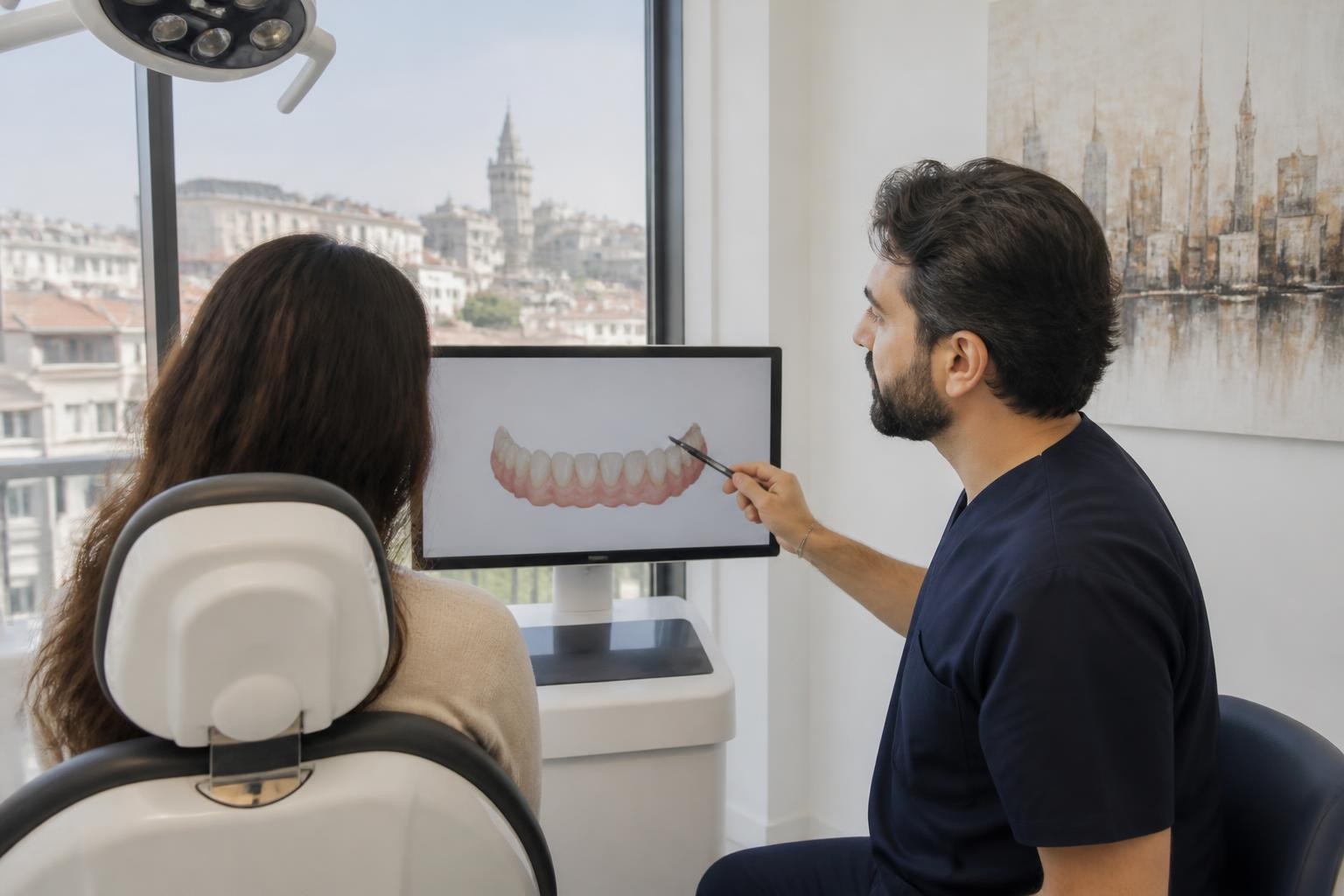
Start with an assessment of your actual dental problem rather than choosing an advertised package. Tooth pain, missing teeth, existing crowns, periodontal disease and cosmetic concerns require different examinations. Your UK dentist may be able to explain available alternatives, identify urgent needs and supply relevant records. A second opinion is especially valuable before irreversible treatment involving several otherwise healthy teeth. Photographs sent to an overseas clinic can help describe a concern, but they do not establish hidden decay, bone condition, bite relationships or whether a tooth can be saved. A clinic’s preliminary treatment proposal should clearly explain that it can change after a face-to-face examination.
2. Check Professional and Clinic Credentials
Ask for the legal clinic name, full address, treating dentist’s identity and appropriate registration or licence details. Confirm who performs assessment, surgery, preparation and final fitting. A marketing coordinator and a treating dentist have different responsibilities; it should be clear who makes clinical decisions. Check the facility’s relevant permissions for treating international health tourists when applicable. Ask whether you can review consent information and discuss the potential limitations of treatment before travelling. No provider should promise identical results for every person. Information about Turkish health regulation can be sought from the Ministry of Health.
3. NHS Dentistry and Treatment Abroad
Do not assume that the NHS will provide routine corrective treatment for elective dental procedures undertaken overseas. NHS access, eligibility and emergency care arrangements are separate questions, and individual circumstances differ. Discuss continuity of care with your existing dental team in advance. If you need assessment after returning home, providers may not be able to accept responsibility for another clinic’s extensive restorative work. Review official NHS guidance on planned treatment abroad and obtain personalised information from the relevant bodies rather than relying on promises in a commercial package. Consider how you would cover future follow-up or repairs.
4. Compare Complete Costs in Pounds
When comparing a Turkish quote with a UK treatment plan, identify the currency and every included component. Crowns and veneers require clarity about material, tooth preparation, provisional restorations, laboratory work and adjustments. Implant quotations may refer only to the surgical fixture, rather than the abutment and final prosthesis. Ask which diagnostic scans, extractions, grafting or follow-up appointments incur extra charges. Add flights, airport transport, hotels, missed work and a possible second trip. Consider exchange rates, card fees and deposit policies. A written itemised estimate is far more informative than a heavily discounted headline price. Costs should be confirmed after a suitable clinical assessment.
5. Veneers Are Not the Same as Crowns
A veneer usually alters a visible surface of a selected tooth, whereas a crown covers a prepared tooth more extensively. Composite bonding, whitening or orthodontic care may be possible alternatives depending on the clinical findings. Ask whether the proposed work removes healthy tooth structure, how permanent the preparation is, and what might be required when restorations eventually need repair or replacement. Large cosmetic transformations should not be decided solely from edited photographs or social media examples. Individual tooth health, gum condition and bite must inform the decision. Read the veneers versus crowns guide for a comparison of approaches.
6. Implant Surgery and Healing Stages
Dental implants can support replacement teeth, but the dentist must evaluate bone condition, gum health, nearby structures and the planned restoration. Some patients require an extraction or grafting before placement. Following surgery, a healing period is commonly necessary before the definitive crown or bridge is placed. Immediate temporary restorations can be considered in selected cases; they should not be assumed suitable for everyone. Ask for separate dates for consultation, surgery, reviews and final prosthesis fitting. A second visit from the UK may be needed. Explore single-tooth implants and All-on-4 planning for further information.
7. Flight and Entry Planning
Check current advice from GOV.UK on travel to Türkiye, including entry requirements for your passport. Flight availability varies by UK departure airport and season, and the cheapest ticket may arrive at an inconvenient time for the first dental appointment. Istanbul Airport (IST) and Sabiha Gökçen Airport (SAW) are not interchangeable in terms of ground travel to Şişli. Confirm your chosen arrival airport and leave flexibility for delays. Do not schedule an important consultation immediately following an exhausting overnight journey if you can avoid it. Check that appointment dates, hotel reservations and transport arrangements all refer to the same location.
8. Getting to the Şişli Clinic
Dentist in Taksim is the website’s established brand name, but the clinic has relocated from Taksim to Şişli. The current address is Merkez, Abide-i Hürriyet Cd. No:179, 34381 Şişli/İstanbul, Türkiye. Save the address and consult current mapping services before travelling. If you are staying near Taksim Square, the route and travel time depend on traffic and transport mode. Ask about directions and confirm where you should report for examination. Historic posts or third-party directories may still contain an outdated address. The Contact Us page includes the clinic’s current location and appointment enquiry details.
9. Hotels and Appointment Flexibility
A comfortable hotel with convenient access to the clinic can be more useful than accommodation close to nightlife or tourist attractions. Ask for the treatment timetable before making non-refundable reservations. Some restorative work requires several fittings or adjustments; surgical appointments may also necessitate recovery time. Discuss eating, physical activity and travel restrictions with your clinician rather than assuming that sightseeing can resume immediately. If a package includes a hotel, check the specific property, room arrangements, dates and cancellation terms. Keep some time available for an unexpected clinical review. An extra day of flexibility may be valuable when a laboratory adjustment or diagnostic finding changes the original schedule.
10. Medicines, Allergies and Medical History
Tell the treating clinician about medical conditions, current medicines, allergies, earlier surgery and relevant dental history. Some medicines and health issues can influence bleeding, healing or procedural planning. Do not stop prescribed medication simply because a dental trip is planned; discuss changes with the appropriate healthcare professional. Bring available records and explain any previous complications with anaesthesia or dental treatment. If sedation is proposed, ask who will provide it, what monitoring is used and what assessment is required. The medical team should advise whether the planned treatment and travel dates are suitable for your circumstances. Remote photographs are not a substitute for taking an appropriate history.
11. Request a Written Treatment Plan
Before agreeing to a procedure, ask the dentist to explain diagnosis, clinical alternatives and possible consequences of not proceeding immediately. A written plan should identify the affected teeth, proposed materials, treatment stages and any anticipated additional work. If the examination reveals different findings from the remote proposal, request a revised plan and quotation. Ask whether the treatment requires irreversible preparation or surgery, what complications are possible and how aftercare is arranged. You should have time to understand the explanation and ask questions in a language you understand. Do not feel compelled to accept extensive treatment simply because you have already paid for flights.
12. Documents to Take Back to the UK
After treatment, request the names of relevant clinicians, a summary of procedures, treated tooth numbers, imaging where appropriate and copies of invoices. For crowns and veneers, keep available information about materials. For implants, ask for the implant system and component identification details supplied by the provider. Request written aftercare instructions explaining oral hygiene, expected symptoms, follow-up and warning signs. These records may help a UK dentist understand what work was completed, even if they cannot undertake all future maintenance. Ask how clinical photographs and personal data are stored and transmitted. Keep secure copies that can be shared with a healthcare professional when necessary.
13. Managing Complications After Returning Home
Dental restorations and surgical procedures can sometimes require adjustments, repairs or further care. Before treatment, ask how the Istanbul clinic responds to problems, whether a return visit may be required and what any guarantee actually covers. Do not mistake a commercial warranty for a promise of a specific outcome. Seek assessment if you develop persistent bleeding, severe pain, fever or increasing swelling. Potentially serious infection or difficulty breathing needs urgent medical attention rather than waiting for an online message. Discuss maintenance and follow-up options with a dentist in the UK. The cost and availability of care after returning home should form part of the original decision.
14. Warning Signs in Dental Tourism Advertising
Claims of entirely painless treatment, zero complications or permanently guaranteed results should be treated cautiously. Be alert if a provider refuses to identify the treating dentist, discourages independent advice or proposes extensive procedures before adequate assessment. A fixed number of crowns or implants is not automatically appropriate for everyone. Ask about risks, alternatives and how unexpected findings are handled. Be wary of quotations that omit the final restoration, the number of visits or clear payment terms. Before-and-after photographs may illustrate individual cases but cannot establish what will happen for another person. Transparent clinical information is more useful than exaggerated marketing promises.
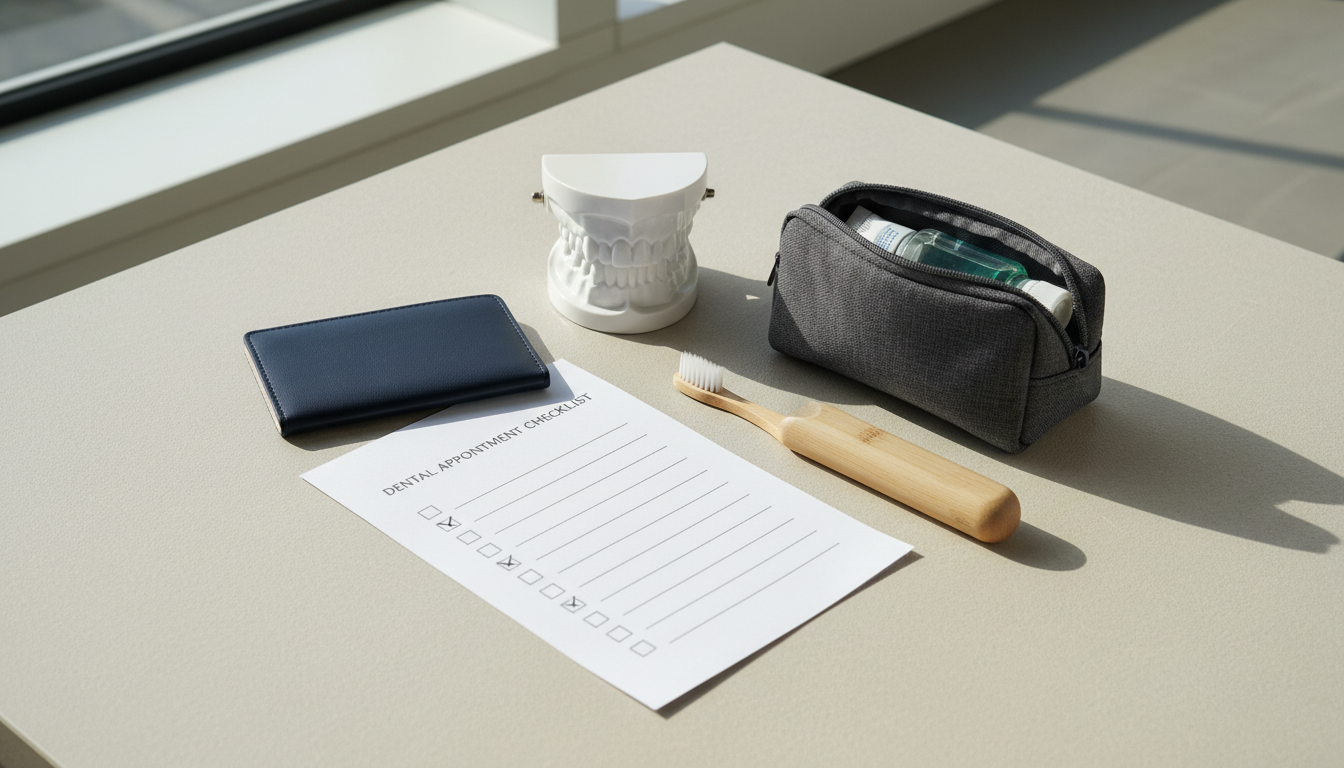
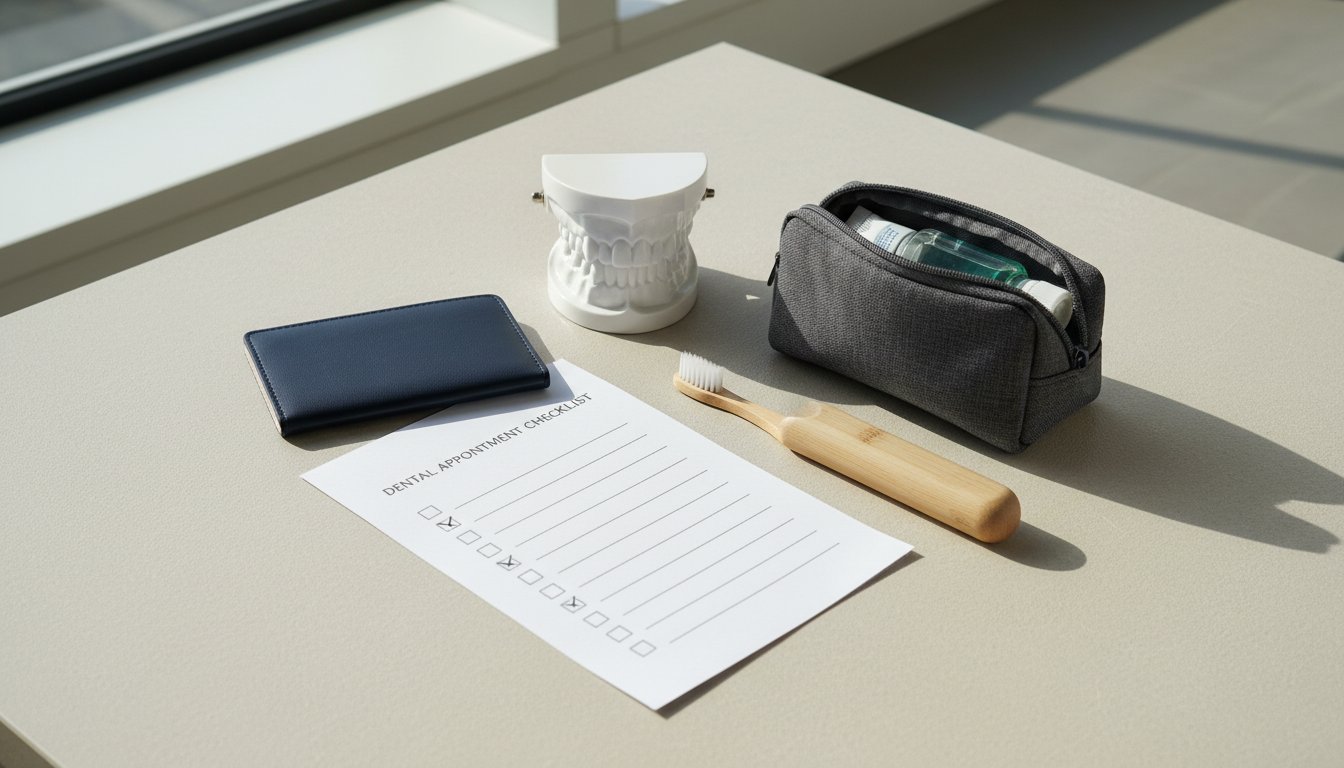
15. A UK Patient’s Booking Checklist
First, seek a diagnosis and collect recent records if available. Second, request the clinic’s legal and professional details, and discuss which treatment options might be suitable. Third, obtain a provisional written quotation and clarify possible additional charges or repeat visits. Fourth, review current official travel guidance and arrange flexible flights and accommodation. Fifth, reconfirm the clinic’s Şişli address and appointment schedule. Sixth, attend a face-to-face consultation and review the findings before signing informed consent. Finally, collect your records, invoices and aftercare instructions before leaving Türkiye. Arrange any recommended reviews at home and keep emergency contact information accessible.
Frequently Asked Questions for British Patients
Does NHS dentistry automatically cover follow-up for private treatment in Istanbul? Do not assume so; check the relevant NHS rules and discuss options locally.
Are implants finished in one holiday? Many cases require healing and staged visits, so obtain an individual schedule.
Is the clinic actually in Taksim? No, the current address is in Şişli at Abide-i Hürriyet Cd. No:179.
Can a quote change after arrival? Yes, examination and imaging may reveal additional needs.
Will I need a return flight? That depends on the planned procedure and healing requirements.
How can I enquire? Use the contact page with your preferred dates and concerns.
Contact and Disclaimer
To enquire about dental appointments in Istanbul, use Dentist in Taksim – Contact Us. Current clinic location: Merkez, Abide-i Hürriyet Cd. No:179, 34381 Şişli, Istanbul, Türkiye. This article offers general educational information and is not individual medical advice. Only an appropriately qualified dental professional can assess treatment suitability, expected stages, risks and recommended aftercare. Results and healing requirements vary.