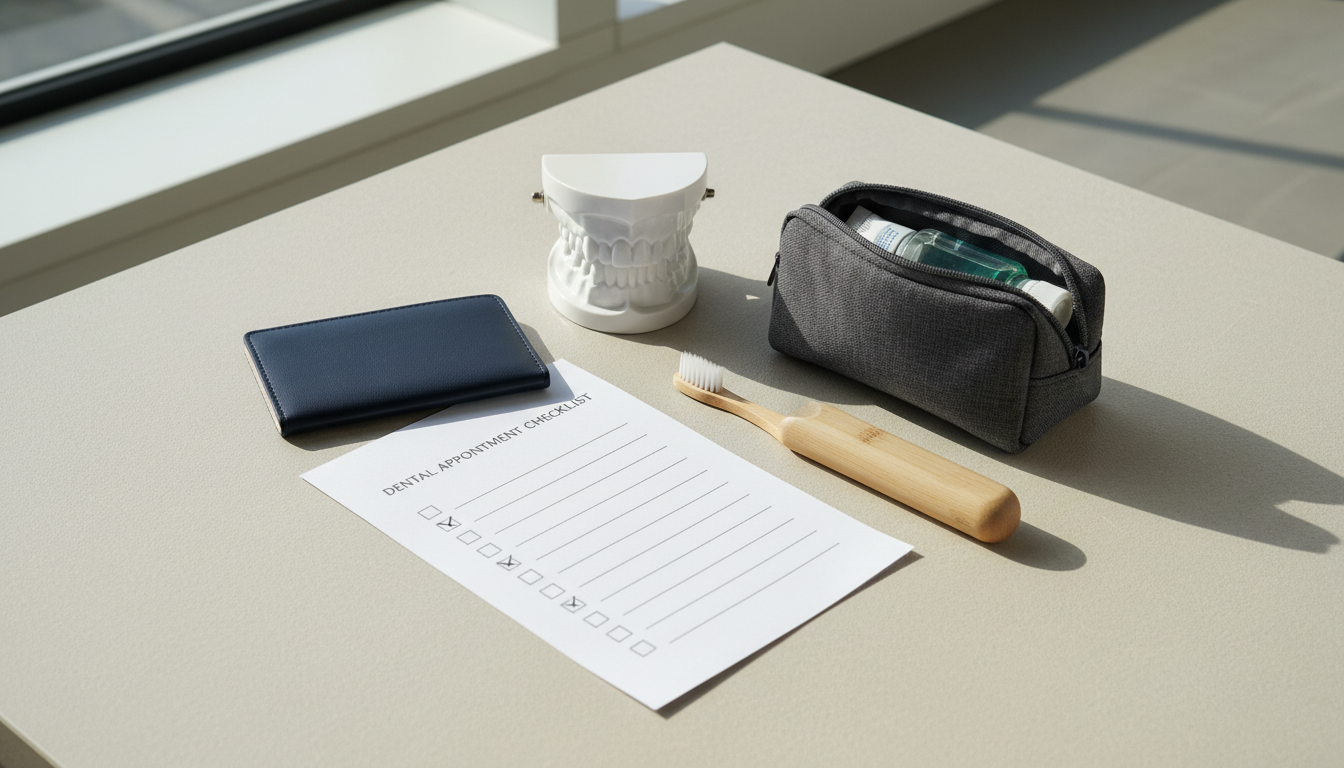
Dental Treatment in Istanbul for Australians: Planning Guide
Australians considering dental treatment in Istanbul should assess the entire journey, not just a quoted crown, veneer or implant price. The distance from Australia makes treatment planning, possible repeat visits and care after returning home particularly important. This guide explores practical questions for patients travelling from Sydney, Melbourne, Brisbane, Perth, Adelaide and other Australian cities. It explains how to compare treatment options, ask about clinical risks and obtain reliable records. Dentist in Taksim is the brand name of the website, but the clinic’s current location is Merkez, Abide-i Hürriyet Cd. No:179, 34381 Şişli, Istanbul, Türkiye. Decisions about treatment must be made with qualified dental professionals.
1. Start With a Diagnosis in Australia
Before booking international flights, speak to your usual dentist about the problem you want to address. Missing teeth, broken restorations, gum symptoms and aesthetic concerns need different approaches. Ask whether any infection or periodontal disease should be managed before cosmetic treatment. If available, obtain recent dental imaging and treatment records for discussion with the overseas dentist. A digital consultation can help identify the questions that require investigation, but photos alone cannot reliably show decay, bone density, tooth roots or bite relationships. Your Istanbul clinician should explain what additional examination and imaging are needed before confirming the plan. Avoid paying for extensive irreversible procedures based on photographs alone.
2. Verify the Treating Dentist and Clinic
Ask for the clinic’s registered legal identity, current address, treating dentist’s full name and professional qualifications. Confirm the dentist responsible for diagnosis, surgery and restoration fitting, since these roles may involve more than one professional. Verify relevant facility licensing and international health tourism permissions where applicable. Clarify who handles urgent problems and how informed consent is documented. Be cautious if a sales representative provides treatment promises without a clinician’s review. The current clinic address associated with Dentist in Taksim is in Şişli rather than Taksim. For official information about healthcare regulation in Türkiye, consult the Turkish Ministry of Health.
3. Consider the Distance and a Possible Second Trip
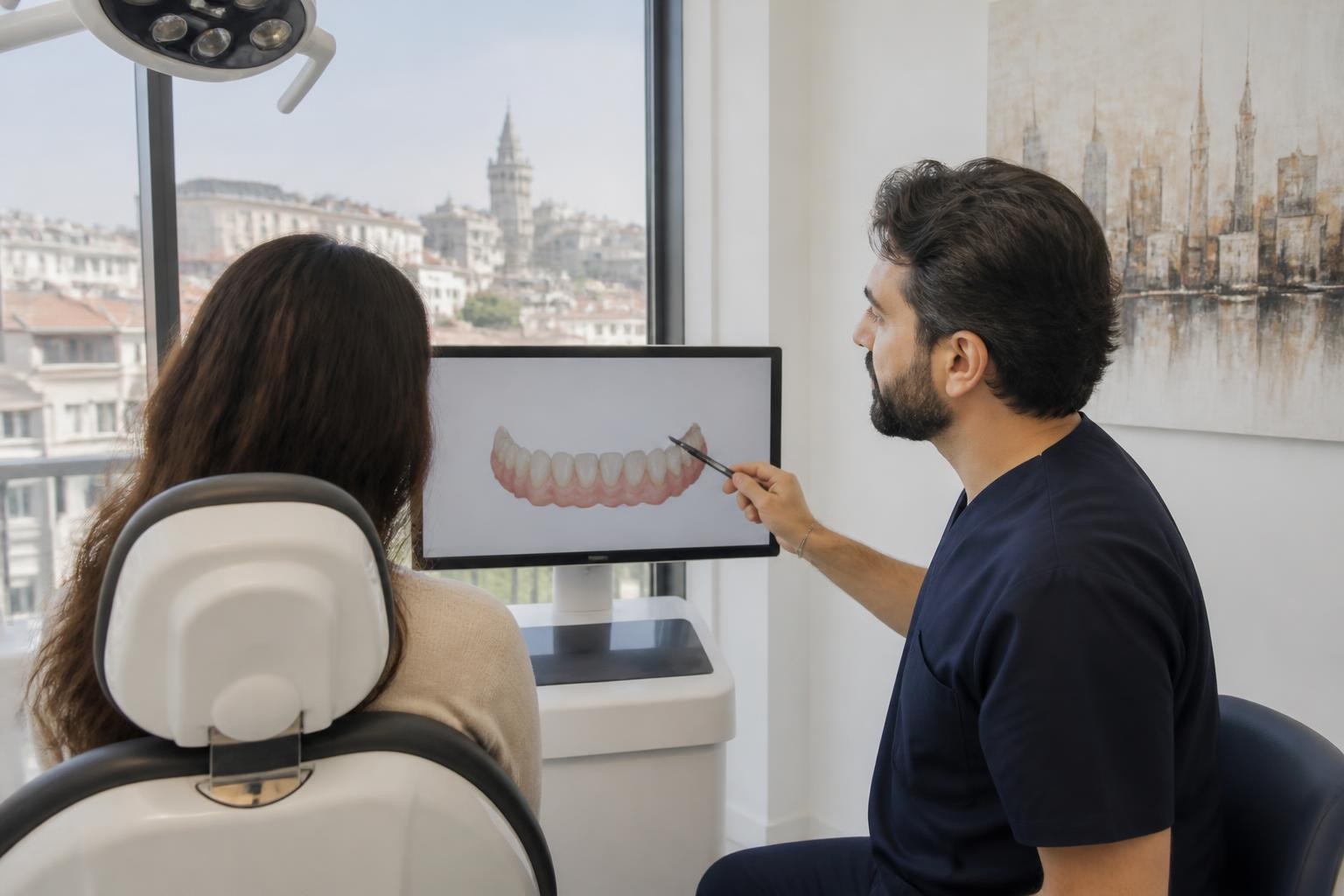
A journey from Australia to Istanbul can involve long flights, connections and major changes in time zone. This becomes particularly important for dental implants, which frequently involve surgical placement, healing and later restoration. Some patients also need grafting or additional treatment before an implant is placed. Ask for a stage-by-stage timeline showing what will be done on each visit and which stages may require a return journey. The dentist should explain whether an appropriate local provider could assist with follow-up or whether continuity with the original clinician is preferable. Do not assume a short holiday is sufficient for a complex full-mouth case. Include the second trip in any cost comparison.
4. Compare Quotes in Australian Dollars
A treatment estimate should identify the teeth involved, materials, clinical procedures, diagnostic imaging, laboratory work and follow-up appointments. For implants, confirm whether the fixture, abutment, temporary restoration and final crown or bridge are included. Ask about exclusions such as bone grafting, extraction or treatment of underlying infection. Convert the complete quotation into Australian dollars using realistic exchange rates and consider international card charges. Add flights, hotel accommodation, local transfers, additional leave from work and repeat travel. Ask for written payment, deposit and cancellation terms. An inexpensive starting figure may not represent the actual cost of completing and maintaining a treatment plan over time.
5. Australian Private Health Insurance and Overseas Care
Private health insurance policies and dental extras cover in Australia vary. You should not assume that elective treatment overseas is eligible for reimbursement. Ask your insurer directly whether it considers claims for dental procedures outside Australia, what professional and itemised invoice information is needed and whether any limits apply. Travel insurance may also exclude planned treatment or complications arising from it; read the policy terms carefully. Maintain copies of written estimates, receipts, treatment notes and relevant records. If a reimbursement claim is possible, check documentation requirements before travelling. These questions are financial matters, distinct from the clinical decision about which procedure is most appropriate.
6. Are Veneers Right for Your Teeth?
Veneers may alter the shape, colour or visible surface of selected teeth, but they are not automatically the correct treatment for a cosmetic concern. Enamel preparation can be irreversible. Ask whether whitening, orthodontics or composite bonding might better preserve healthy teeth. Gum health, existing restorations and bite function should be assessed before planning cosmetic work. Discuss the possible need for replacement or repairs over time. Do not decide on a large number of veneers simply because a package or social media image appears attractive. A dentist should explain which teeth genuinely require treatment and what alternatives exist. Learn more through our veneer guide.
7. Crowns, Materials and Tooth Preservation
Crowns can restore or protect teeth in particular clinical situations. They usually require preparation of the tooth and have maintenance requirements. Ask what problem the proposed crown is intended to solve and whether a less invasive restoration could be suitable. For multiple crowns, discuss the bite, condition of existing fillings and potential effects on otherwise healthy teeth. Obtain information about the materials and the number of fitting appointments. Colour selection is only one part of the process; tooth preparation, margin fit, gum condition and function matter too. Our veneers versus crowns and zirconium crown pages explain further considerations.
8. Dental Implant Planning for Australian Patients
Implants may support replacement teeth after tooth loss, but the plan depends on bone and soft-tissue conditions, oral hygiene, general health and restorative design. The dentist should assess whether extraction, grafting or other preparatory work is required. Healing varies and must not be shortened simply to fit a travel itinerary. Immediate loading or temporary teeth are sometimes possible in selected cases, but they are not guaranteed options. Ask for the implant system details, likely stages, expected reviews and the conditions that might alter the schedule. Because Australia is far away, the implications of a delayed final restoration or complication should be addressed before booking. See our single implant guide.
9. Travelling From Sydney and Melbourne
Patients travelling from Sydney and Melbourne should compare routes based on arrival time, total journey duration, stopovers and flexibility rather than price alone. Long flights and time-zone changes can make an immediate major appointment uncomfortable. Consider arranging an examination and assessment before a scheduled treatment day so that any change of diagnosis can be explained. Confirm your arrival airport in Istanbul and save the current Şişli address. If you are considering surgical dental care, discuss when it would be suitable to fly home and whether any review is recommended before departure. Travel plans should remain adaptable if clinical findings or healing do not follow the initial estimate.
10. Travelling From Perth, Brisbane and Adelaide
Route choices and connections can differ significantly between Australian departure cities. Patients from Perth, Brisbane, Adelaide or regional areas may need to coordinate several flights. This increases the importance of confirming the clinic schedule before paying for restrictive tickets. Plan your stay around examination, diagnostic investigations and any required restoration adjustments rather than treating dentistry as a brief excursion between sightseeing activities. If the plan might require a second trip, evaluate whether travel costs and time away from work are manageable. Ask whether follow-up can be discussed remotely and what would require an in-person visit. Remote contact is helpful but cannot replace necessary examination or urgent care.
11. Check Smartraveller and Entry Requirements
Entry requirements depend on nationality, passport details and current official rules. Australian travellers should review Smartraveller advice for Türkiye and official Turkish entry information before departure. Check passport validity, travel documents, health advice and any warnings relevant to your journey. Understand that travel insurance and health insurance may have separate restrictions relating to planned medical procedures. Keep your appointment details and accommodation confirmations accessible. If a medical condition affects long-distance flying, seek appropriate advice. Confirm these matters before making non-refundable commitments. A dental clinic should not be the sole source of immigration or travel-safety information.
12. Getting from Istanbul Airports to Şişli
Istanbul Airport (IST) is on the European side and Sabiha Gökçen Airport (SAW) is on the Asian side of Istanbul. The clinic is in Şişli on the European side, at Merkez, Abide-i Hürriyet Cd. No:179, 34381 Istanbul. Ground travel times vary considerably with traffic, weather and the selected route. Do not assume that a website name referencing Taksim indicates an office near Taksim Square. Confirm the street address with the clinic and use current navigation information. If an airport transfer is offered, request the route, meeting details, vehicle arrangements and any cost in writing. The contact page has the clinic’s current address.
13. Accommodation and Recovery Planning
Choose a hotel after the clinical appointment location and dates are confirmed. A property with straightforward access to Şişli may be more convenient than one selected for its proximity to sightseeing. Ask whether package accommodation or transport is included, optional or charged separately. After oral surgery or other procedures, your dentist may recommend limits on activity, dietary adjustments and review visits. Do not assume that strenuous tourism or recreational activities are appropriate immediately after treatment. Leave room in the itinerary for laboratory adjustments or additional assessment. If several appointments are planned, flexible hotel booking conditions can be valuable. Rest and a realistic schedule should be priorities.
14. Questions to Ask During Your Consultation
Discuss the diagnosis and the clinical reasons for the recommended treatment. Ask what alternatives exist, including whether no immediate intervention could be reasonable. If crowns or veneers are proposed, seek an explanation of the changes to tooth structure. For implants, ask about bone assessment, surgical risks and the healing schedule. Request details about the treating clinician, intended materials, potential complications and options if the initial approach is unsuitable. If the actual examination differs from the online discussion, request a revised quotation and enough time to consider it. Informed consent should be based on understanding, not on pressure to complete a package.
15. Aftercare When You Return to Australia
Dental treatment requires ongoing care and monitoring wherever it is performed. Ask your Australian dentist in advance whether they can review or maintain the proposed restorations. For implants, retain complete system and component details because local availability may differ. Request written advice on cleaning, eating, expected symptoms and when urgent assessment is necessary. Fever, worsening swelling, persistent bleeding or severe pain should prompt timely professional evaluation. Difficulty breathing or suspected serious spreading infection requires emergency medical help. Ask the Istanbul clinic how concerns will be addressed from overseas and what situations require a return appointment. Understand any costs or conditions associated with warranties.
16. Keep a Complete Treatment Record
Before travelling home, request the final treatment summary, the treating dentist’s identity, tooth numbers, imaging when available, materials and invoices. Implant cases should include implant system and component identification details where supplied. Keep a record of any medicines prescribed and written aftercare instructions. These documents can support future treatment or maintenance with an Australian dentist. Ask how your medical information and photographs will be stored or transferred securely. If you are considering a substantial treatment plan, it is reasonable to ask how records will be supplied before you consent. Long-distance continuity of care is much easier when the documents are complete and understandable.
17. Warning Signs and Avoidable Mistakes
Be cautious of guarantees of painless, risk-free or permanent treatment outcomes. A provider should not promise a fixed number of veneers or implants without diagnosis. Ask questions if the identity of the treating dentist is unclear or if the clinic will not explain reasonable alternatives. A package may omit important components such as final crowns, scans or additional appointments. Request clear written terms. Do not feel obliged to proceed with extensive irreversible work because flights are already paid for. Before-and-after photographs show selected cases and cannot predict an individual result. Independent advice from a qualified professional is especially important when significant healthy tooth structure could be removed.
18. Australian Dental Travel Checklist
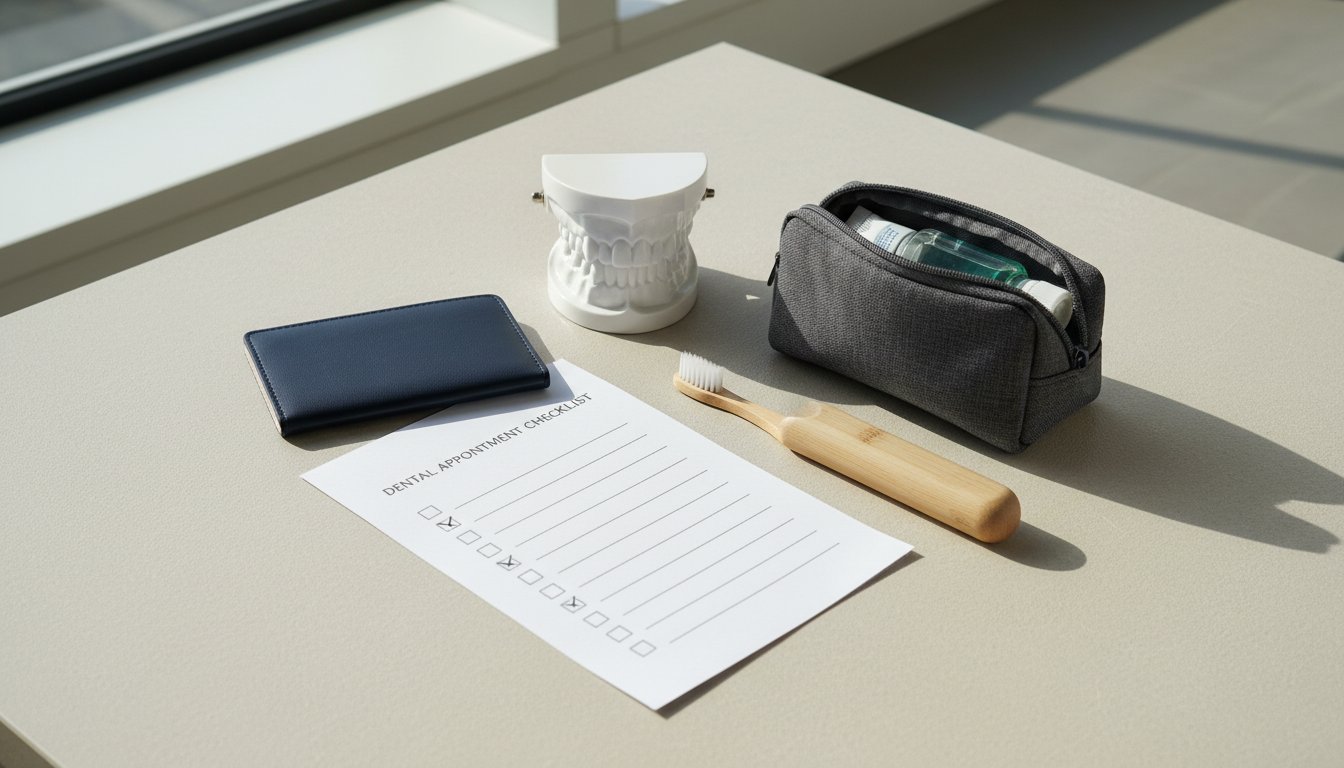
Begin by discussing your goals and dental condition with your regular dentist, and collect relevant records. Verify the Istanbul clinic and the proposed treating clinician. Ask for a provisional plan, the expected number of visits, risks and a complete quotation. Check current Smartraveller advice, passport rules and insurance exclusions. Reserve accommodation near the confirmed treatment location, with flexibility for changes. At the first consultation, review diagnosis, alternatives and consent before committing. Before leaving Istanbul, obtain all available clinical records, implant documentation if relevant and an aftercare plan. Arrange recommended follow-up in Australia and keep both your local and overseas clinical contacts accessible.
Frequently Asked Questions for Australian Patients
Is a dental package always cheaper than treatment in Australia? Not necessarily after flights, hotels, second visits and long-term maintenance; compare full written estimates.
Can implants be completed in one short holiday? Some cases require healing and later restorative stages; obtain an individual plan.
Does Australian private health insurance cover care abroad? This depends on the policy and should be confirmed with the insurer.
Where is Dentist in Taksim located? The clinic’s current location is Şişli, not Taksim.
Can a remote consultation confirm suitability? No. An appropriate clinical examination is needed.
How do I book? Use the contact page with preferred dates and your main concern.
Contact and Medical Disclaimer
For information on appointments, visit Dentist in Taksim – Contact Us. Current address: Merkez, Abide-i Hürriyet Cd. No:179, 34381 Şişli, Istanbul, Türkiye. This guide is general information rather than individual medical advice. The suitability of a procedure, its risks, treatment stages, costs and outcomes must be assessed by a qualified dental professional. Healing times and results vary from person to person.