Dental Treatment in Istanbul: International Patient Planning Guide
Dental treatment in Istanbul may appeal to patients from the USA, Canada, the UK and Australia, but safe planning begins with a clinical question rather than a discounted flight or a package price. This guide explains how to check a clinic, compare treatment proposals, plan travel, prepare for appointments and arrange aftercare at home. Dentist in Taksim is a brand name; the clinic’s current location is Merkez, Abide-i Hürriyet Cd. No:179, 34381 Şişli, Istanbul. The information below is general education and does not replace individual dental advice.
1. Decide Which Problem Needs Treatment
Describe the problem as precisely as possible before contacting an overseas dental provider. Are you dealing with a missing tooth, an uncomfortable crown, bleeding gums, a chipped front tooth, a change in tooth colour or ongoing pain? Different diagnoses lead to different appointment sequences, diagnostic requirements and expected recovery times. A patient with active gum disease may need periodontal treatment before considering elective cosmetic restorations. A painful tooth may require urgent examination and imaging rather than a cosmetic quote. Record relevant medical conditions, allergies, medicines and previous dental procedures. Share recent imaging with the treating dentist if requested, but recognise that images sent through a chat cannot establish a definitive treatment plan. Remote discussions should be considered preliminary only.
2. Check the Clinic and Treating Dentist
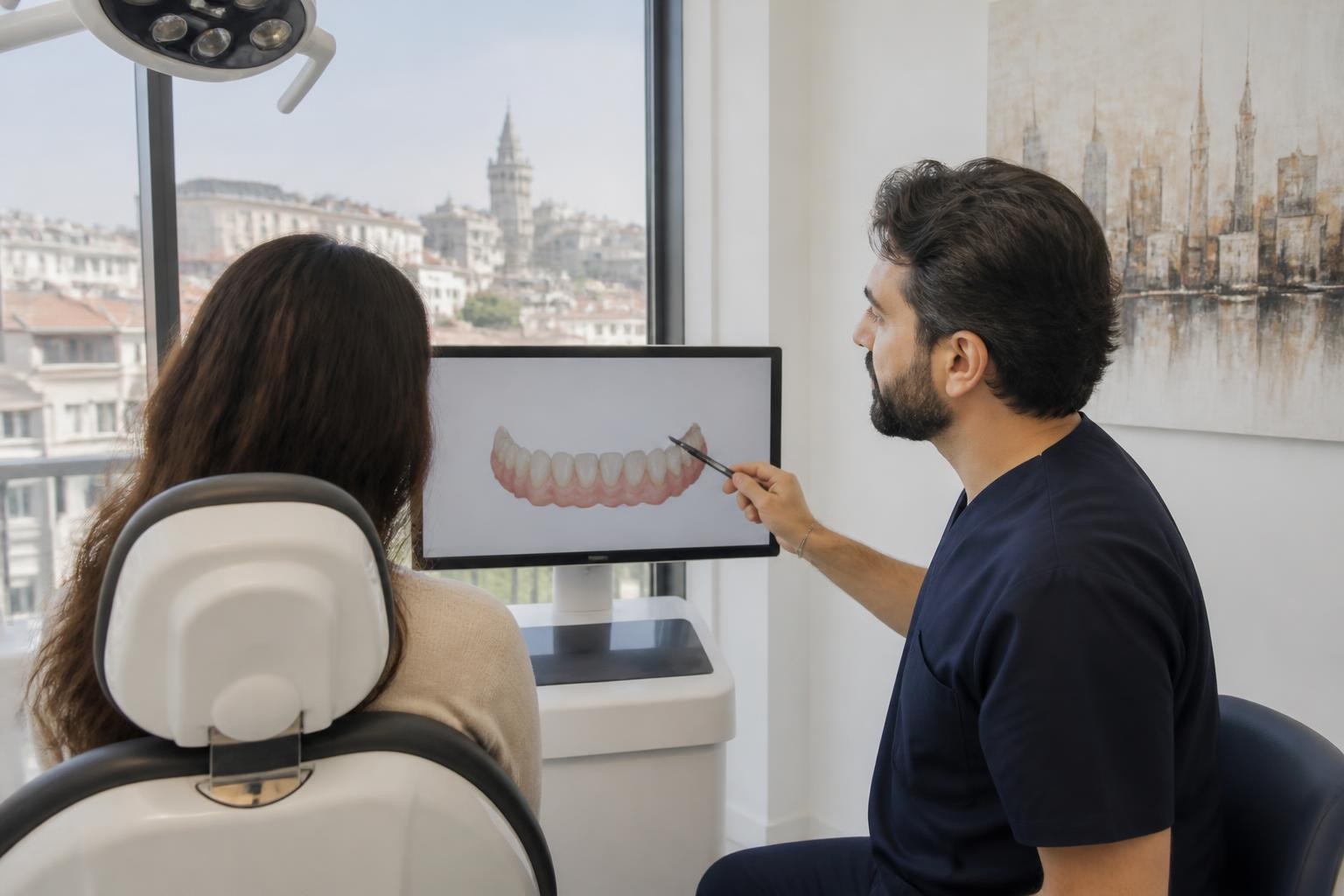
Ask for the registered legal name, clinic licence, current full street address and the dentist’s identity and professional qualifications. Verify the appropriate Turkish Ministry of Health registration and international health tourism authorisation where applicable. Ask who carries out the examination, surgical procedures, restorative preparation and final fitting. If more than one clinician is involved, find out who coordinates clinical decisions. Request information about hygiene arrangements, diagnostic equipment actually available at that location and how urgent concerns are handled. Marketing photographs cannot establish clinical quality. Be wary of a provider who will not name the treating professional, refuses to explain alternatives or guarantees an outcome before an examination. You can consult Türkiye’s Ministry of Health for official information.
3. Compare the Right Treatment Options
A veneer changes the visible surface of a selected tooth and may require irreversible preparation. A crown covers a prepared tooth and is generally considered when restoration or protection is needed. Composite bonding may be suitable for some limited changes without the same preparation as an indirect restoration. An implant can support a replacement tooth after a missing tooth, but surgery, bone and gum health, implant positioning and healing must be assessed carefully. A bridge, removable appliance or no immediate replacement can also be relevant alternatives in specific cases. Ask which options preserve sound tooth structure and what maintenance will be needed. For detailed questions review veneers versus crowns, single-tooth implants and composite bonding.
4. Why an Accurate Timeline Matters
A fixed three-day treatment promise may not fit the actual dental findings. A consultation and uncomplicated restorative procedure might need relatively few appointments, whereas multiple crowns can require preparation, impression or scan, laboratory fabrication, fitting, bite assessment and adjustments. Root canal treatment is sometimes carried out in one visit, but infections, complex anatomy and further review can change that plan. Extractions and surgery may require healing before subsequent treatment. Build spare time into the itinerary and ask what could delay completion. Do not book your return flight solely on an advertised procedure calendar; a clinician should determine the schedule after examination.
5. Implant Care May Involve Two Separate Trips
Conventional implant treatment often separates surgical placement from the definitive crown or bridge while tissues heal. Healing requirements vary with bone quality, whether grafting is needed, general health and other clinical factors. Immediate temporary teeth or immediate loading may be options in appropriately selected cases, but do not assume these are equivalent to completed healing. Request a stage-by-stage plan showing the surgery visit, provisional restoration if proposed, follow-up and final prosthesis appointment. Ask whether a local dentist at home is prepared to review the implant and what records they would need. For larger restorations, see full-mouth implants and All-on-4 dental implants.
6. Insist on a Clear Written Quotation
Compare written proposals rather than headline prices. A treatment quotation should specify tooth numbers, materials, diagnostic scans, temporary restorations, laboratory work, surgery, medication where appropriate and planned review visits. For implants, ask whether the fixture, abutment and final crown are all included. Clarify whether extractions, root canals, bone grafts or other procedures are excluded and could increase the total. Confirm the currency charged, payment methods, refund rules, invoices and conditions if the plan changes after examination. Include hotels, flights, additional transport, meals, time away from work and a possible second trip in your overall budget. Price figures found on older webpages may be out of date; obtain a dated personalised quotation.
7. Travelling From the United States
US travellers should check passport validity and the current Turkish entry requirements for their nationality before arranging travel. International routing and travel duration can affect your energy on arrival, so avoid scheduling an intensive treatment immediately after a long journey without discussing your plan. Ask for itemised receipts and clinical records in English where available, and check whether any dental insurance plan reimburses overseas care; do not assume it will. Your US dentist may be able to review an overseas proposal, but continuity of care and willingness to maintain treatment should be discussed in advance. Keep copies of imaging, implant identification details, prescriptions and consent documents. Assess the cost of returning to Istanbul if an adjustment or complication cannot be managed locally.
8. Travelling From Canada
Canadian patients should likewise check official entry advice and current passport rules rather than assuming another country’s requirements apply. A long-distance return flight, multiple connections or travel from a smaller Canadian city can complicate a short appointment schedule. Speak to your dentist at home about unresolved issues before departure. Make sure that any treatment plan considers how your regular hygienist and dentist will maintain restorations once you return. Discuss whether insurers, employer benefits or provincial coverage contribute to any part of your treatment; coverage varies and should not be presumed. Compare all costs in the actual payment currency rather than relying on a rough online conversion. If you need several appointments, leave flexible travel dates and request a clear post-treatment contact route.
9. Travelling From the United Kingdom
UK patients can consult the NHS guidance on treatment abroad and GOV.UK travel advice for Türkiye. Consider who will provide aftercare if you experience pain or require a repair after returning home. NHS access should not be assumed to cover elective overseas procedures or routine corrective work. Ask the clinic to distinguish between surgical treatment, temporary teeth and definitive restorations when discussing appointment duration. Confirm whether communication will be in English and what records you will receive. Book a local check-up when clinically appropriate and agree on an escalation plan before leaving Türkiye.
10. Travelling From Australia
Australian patients face particularly long travel distances and should consider whether one or two trips are realistically manageable. Check official passport and entry advice before making non-refundable reservations. For implant treatment, the healing period between phases can make a one-journey expectation unrealistic. Confirm what dental records can be transferred to your Australian provider and whether the particular implant components and restoration materials are identifiable for future servicing. Arrange sufficient recovery time before a lengthy journey, based on your dentist’s advice. Budget for international flights, accommodation, lost working time and any additional trip. If you have an existing medical condition or require sedation, discuss your fitness for travel with appropriate clinicians.
11. Istanbul Airports and Ground Transfers
Istanbul has two major passenger airports: Istanbul Airport (IST) on the European side and Sabiha Gökçen Airport (SAW) on the Asian side. The clinic is in Şişli on the European side. Ground travel time varies considerably by route, weather and congestion, so plan using current directions rather than a fixed-minute promise. Share your airport, flight number and intended hotel with the clinic if you want help understanding your arrival options. Ask whether any airport transfer is included, optional or independently charged. Keep the destination address saved on your phone: Merkez, Abide-i Hürriyet Cd. No:179, 34381 Şişli, Istanbul. See the clinic area on Google Maps.
12. Choosing a Hotel and Planning Your Days
Accommodation should be chosen for reliable transport, straightforward access and enough rest between visits. Ask for the appointment location in writing before deciding on a hotel. Consider whether stairs, transport connections and a quiet room will be comfortable after a procedure. A central hotel may be enjoyable for sightseeing, but the closest property is not always the most practical if traffic or accessibility is poor. If dental surgery is scheduled, ask your dentist about suitable activities, diet, exercise and any travel restrictions. Avoid assuming that swimming, strenuous excursions or extensive walking are appropriate immediately after treatment. Keep appointment days relatively clear so unexpected reviews do not conflict with tours.
13. Questions to Ask at the First Examination
Request an explanation of your diagnosis and the alternatives, including the choice not to proceed immediately. Ask whether periodontal health, tooth vitality, bite and bone support require further evaluation. If a crown or veneer is proposed, discuss how much healthy tooth structure will be altered. If an implant is proposed, ask about imaging, infection risk, potential grafting, expected staging and future maintenance. If sedation is discussed, ask who will provide it, what monitoring is available and what medical assessments are required. Confirm the identity of the person responsible for your care and make sure you understand written consent materials before agreeing to an irreversible procedure.
14. Understanding Risks and Aftercare
Every dental procedure has potential limitations and complications. These may include postoperative discomfort, swelling, sensitivity, infection, bite changes, restoration fracture, soft-tissue concerns or a need for further treatment. Individual risks vary according to the procedure and the patient’s health. Ask for a written aftercare plan explaining diet, hygiene, medicines if prescribed, expected symptoms, warning signs and contact methods. If symptoms worsen unexpectedly or you experience significant bleeding, swelling, fever or difficulty breathing, seek urgent medical assessment rather than waiting for an online reply. An overseas clinic should explain clearly how concerns are triaged, when local emergency care is necessary and who bears the costs of additional appointments.
15. Keep a Portable Dental Record
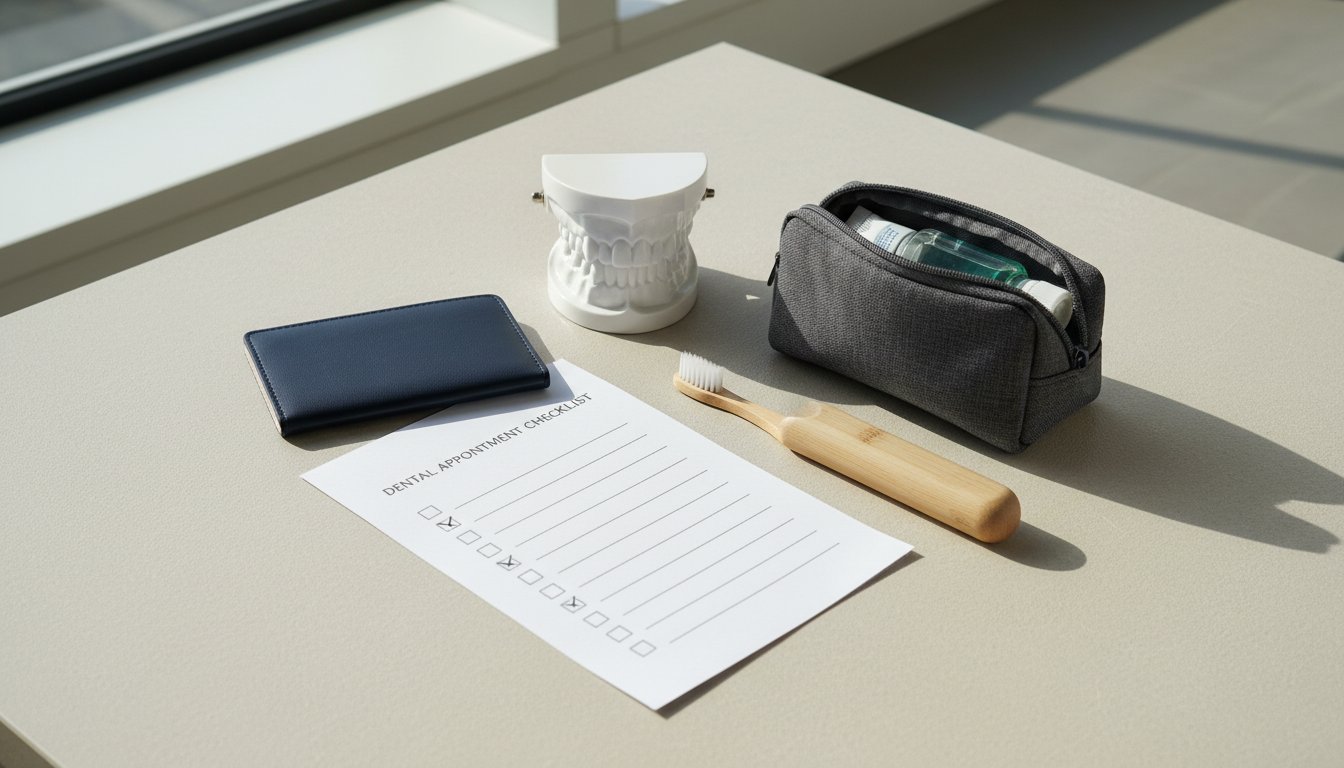
Before leaving Istanbul request an itemised invoice, relevant X-rays or scans, a summary of performed procedures, tooth numbers, restoration materials and the treating clinician’s name. For implant cases, retain the implant brand, model, dimensions and any component identification records supplied by the provider. Keep the final treatment plan and aftercare instructions in a format you can share with your home dentist. Documentation is particularly valuable if you later need routine maintenance or adjustments in another country. Where photographs are taken, ask how images and personal medical information will be stored, used and shared. Do not send sensitive records through an unverified channel.
16. What to Expect From an Online Consultation
A remote enquiry may help explain your concern, determine what information the clinic needs and outline possible routes forward. It is not a substitute for a full dental examination. Photos alone cannot reliably establish bone levels, hidden decay, nerve anatomy, bite relationships or whether a tooth can be preserved. A provisional estimate may change after in-person examination and imaging. A useful initial response should tell you which details to provide, identify significant uncertainties, describe the next clinical step and avoid promising a guaranteed smile outcome. You can contact the team using the Contact Us page for appointment and travel-planning enquiries.
17. Red Flags That Should Make You Reconsider
Be cautious when a seller refuses to identify the clinician, pressures you to pay before receiving a clear proposal, claims every patient needs the same number of crowns, guarantees painless or risk-free treatment, or presents drastic results as certain. A quote without materials, treatment stages or exclusions is hard to compare. Avoid agreements that make it difficult to obtain your own medical records or that do not explain the process for handling complaints. A professional provider should be willing to explain reasonable alternatives and the reasons a treatment might not be suitable. Informed decisions are more important than a rushed booking.
18. Suggested Planning Timeline
Several weeks before travelling, gather recent dental records, compare clinical options and check official travel guidance. After receiving a provisional plan, request an itemised written quotation and ask whether multiple visits are likely. Before booking non-refundable travel, clarify appointment availability, required imaging and the possibility of schedule changes. In the days before arrival, reconfirm the address and share any relevant medical updates. On appointment day, discuss the examination findings and request a revised plan if the diagnosis differs from the remote estimate. Before departure, secure clinical records and written aftercare instructions. Once home, arrange any recommended reviews and maintain regular dental care.
Frequently Asked Questions
Is the clinic in Taksim? The brand is Dentist in Taksim, but the current clinic address is in Şişli at Abide-i Hürriyet Cd. No:179.
Can a full implant case be completed in one visit? Many cases need a healing interval and staged treatment; ask the dentist for an individual plan.
Are online prices final? No. Request a dated quotation after assessment, including exclusions.
Can I fly immediately after treatment? Discuss the procedure and travel schedule with your treating dentist; suitability varies.
Can I use travel insurance for treatment problems? Policies vary and may exclude planned dental treatment or its complications.
Will my dentist at home maintain overseas implants? Discuss this before travel and keep full component records.
How do I book? Use the contact page and describe your concerns, intended dates and previous dental work.
Medical Information and Contact
This article provides general information only and is not personalised medical advice. Treatment suitability, timelines, risks and outcomes vary from person to person and require assessment by a qualified dental professional. For consultation and travel planning, contact Dentist in Taksim at Contact Us. Clinic address: Merkez, Abide-i Hürriyet Cd. No:179, 34381 Şişli/İstanbul, Türkiye.