Porcelain vs composite veneers in Turkey is a comparison worth making tooth by tooth. A patient may want to change the shade of several teeth, reshape one chipped edge or improve the symmetry of a smile. These goals call for different assessments. Start by asking which teeth need treatment and what each material would involve for those teeth. Then compare the preparation, visits, cost and repair options with a dentist who knows your dental history.
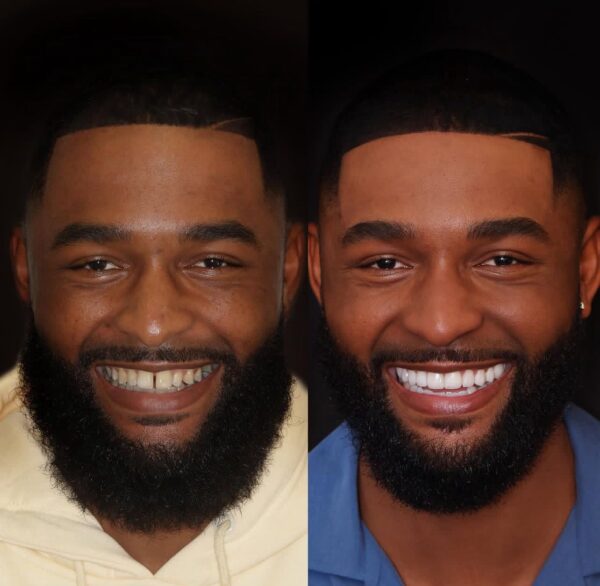
1. Define the change you actually want
Write down the most important change you would like to see. If one tooth concerns you, identify it in a photograph for your appointment. If you are unhappy with the shade of many teeth, ask which options can address colour before agreeing to restorations. For spacing, ask whether alignment, bonding or veneers could each be considered and what trade-offs they bring. Your dentist can explain which options match your goal and the condition of your teeth.
Existing fillings, gum disease, worn edges and a heavy bite can change the options. Ask whether the dentist needs to examine or treat any underlying problems first. A preliminary quote from images may help you understand what to discuss, but the examination determines what can be proposed with confidence. Take a second opinion if the planned number of teeth or degree of preparation differs substantially from what you expected.
2. Compare how porcelain and composite veneers are made
Porcelain or ceramic veneers are fabricated outside the mouth and bonded to the teeth. Composite resin can be shaped directly on a tooth in some treatment plans. Ask whether the word composite refers to a direct restoration or one produced separately. If the dentist proposes a specific ceramic, ask them to name it and explain why they selected it for the shade, shape and condition of the teeth being treated.
When comparing porcelain vs composite veneers in Turkey, check whether both quotes describe a veneer, an edge repair or a crown. A quote for reshaping a small chipped edge may involve less work than a plan to restore the front surfaces of several teeth. A crown is a different restoration with broader coverage. Record what each proposal changes and which teeth will be left as they are. For background on the treatment decision, discuss the differences with the dentist who examines you.
3. Ask about enamel and preparation before choosing a material
Ask whether preparation is expected for each tooth and why. Some teeth need room for a change in shape or colour. Others may have existing restorations or features that limit the approaches available. Ask how much natural tooth structure is expected to be affected and whether a trial or mock-up can help you understand the proposed shape before making a decision. The implications of preparation matter because removed tooth tissue cannot be put back.
If you are offered an option described as no-prep or minimal-prep, ask what that means on your treatment chart. Request a clear explanation of where material would be added and how the dentist will manage the contour near the gum and the bite. If the proposed result requires removing more tooth structure than you expected, ask about smaller changes, phased treatment or whether you can leave some teeth untouched.
4. Compare the colour and shape using the same criteria
Describe the appearance you want in ordinary language. You might prefer a subtle change or a shade that matches adjacent teeth. Ask how the clinician plans to match neighbouring teeth and what a mock-up can and cannot show. A trial design may help you talk through tooth length, shape and symmetry before fitting. Ask how the dentist checks the result when you smile and speak.
Compare photos taken under similar conditions and ask when they were taken. Photos from immediately after fitting can illustrate colour and shape, while a review appointment addresses how the teeth feel and function over time. If the result is intended to match just one or two adjacent teeth, ask how the clinic plans to handle differences in shade and translucency. Discuss your priorities before the laboratory or chairside work begins.
5. Find out how many appointments each option needs
Ask the clinic to map the assessment, any records or scans, preparation if proposed, fabrication or shaping, fitting and review. If temporaries are planned, ask whether their fees are included and what to do if one needs attention. Ceramic work may involve time for laboratory fabrication. Chairside resin work may follow a different timetable depending on how many teeth are being treated and whether adjustments are needed.
If you are coming from Australia, Canada, the US or the UK, allow for the clinic’s fitting and review appointments when planning your stay. Ask what happens if a restoration needs to be remade or if the dentist discovers another problem during assessment. Request an estimate of the necessary time in Istanbul and identify which dates depend on clinical findings. A flexible itinerary can help if the schedule changes.
Porcelain vs Composite Veneers in Turkey: Compare Equivalent Quotes
When comparing porcelain vs composite veneers in Turkey, keep a separate line for the consultation and any optional changes. Ask for the porcelain vs composite veneers in Turkey estimate in writing so you can review it alongside your local dentist’s assessment.
Use a worksheet with one row for every tooth. Note the proposed material, what the fee covers, the need for temporaries and which appointments are included. A quote for two veneers and four resin edge repairs should identify the fees for each type of work. If a bundled price covers ten teeth, ask whether treating fewer would meet your goal and request a separate estimate if it would.
Add the cost of assessments, treatment for existing dental issues if needed, additional appointments and possible follow-up at home. Compare the totals in AUD, GBP, USD or CAD using the same conversion date and note the currency the clinic actually charges. A package that includes a hotel still needs a clear clinical invoice so you can compare the dental work and travel arrangements separately. Ask whether the deposit remains refundable if the plan changes after you arrive.
7. Discuss future polishing, repairs and replacement
Ask what a dentist would typically assess if you report a chipped edge, sensitivity or a change in your bite. Depending on the restoration and the issue, the clinician may discuss polishing, repair or replacement. Ask whether your dentist at home is willing to examine the restoration and what information they would need. Take a copy of the tooth chart and material details before leaving Istanbul, along with the name of the clinic contact for follow-up.
Read the written terms if the clinic mentions a warranty. Ask which kinds of damage or changes are covered, whether local visits are included and what is required to make a claim. A repair that is offered in Istanbul may still involve travel and time off. The General Dental Council’s overseas treatment guidance recommends asking about complications, guarantees and aftercare in advance. Discuss what ongoing reviews are appropriate with your own dentist.
Try a two-tooth comparison before accepting a larger quote
Consider a hypothetical case involving a chipped front tooth and a neighbouring tooth with an older restoration. Ask the clinician to explain what each tooth needs and why the same material might or might not be appropriate for both. Record how a proposed treatment would change the appearance of each tooth and how the result would match the surrounding teeth. A small comparison like this is easier to understand than starting with a single price for an entire smile. It also gives you a way to check what the dentist means by direct resin, ceramic veneer or a more extensive restoration.
Request one line for assessment, one for the work on each tooth and one for any planned review. Then ask how long you would need to remain in Istanbul if a restoration needs to be adjusted or remade. A local dentist can review the options and discuss what they would be able to polish or repair after you return. Write down the contact details of both teams and keep the written estimate with your travel plan.
If the clinic offers several brands or ceramics, ask which material properties matter in your own situation and which are incidental to the offer. Discuss the extent of the proposed preparation, what the dentist expects to see when examining the bite and the options if your priorities change. The consultation should clarify the reasons for a material recommendation so you can compare it with another professional opinion.
What if different teeth need different treatments?
A treatment plan can describe different approaches on different teeth, provided each choice follows an examination. For example, a clinician may discuss a small resin repair for an isolated chip and a different approach for a damaged tooth with a large existing restoration. Ask the dentist to explain each decision and what result the combined plan aims to achieve. A tooth-by-tooth estimate also makes future maintenance easier to discuss.
Can I decide on material after I arrive in Istanbul?
Ask which parts of the decision can be made at the consultation and which records the dentist needs first. Before travelling, clarify the assessment fee and what happens if you choose a different treatment or decide to have it later. A consultation can help clarify the options before any irreversible work starts. If you would like an appointment, use the Dentist in Taksim contact page. The clinic is currently in Şişli, Istanbul. Bring your priorities and ask for an explanation of the material, preparation and follow-up for each tooth.