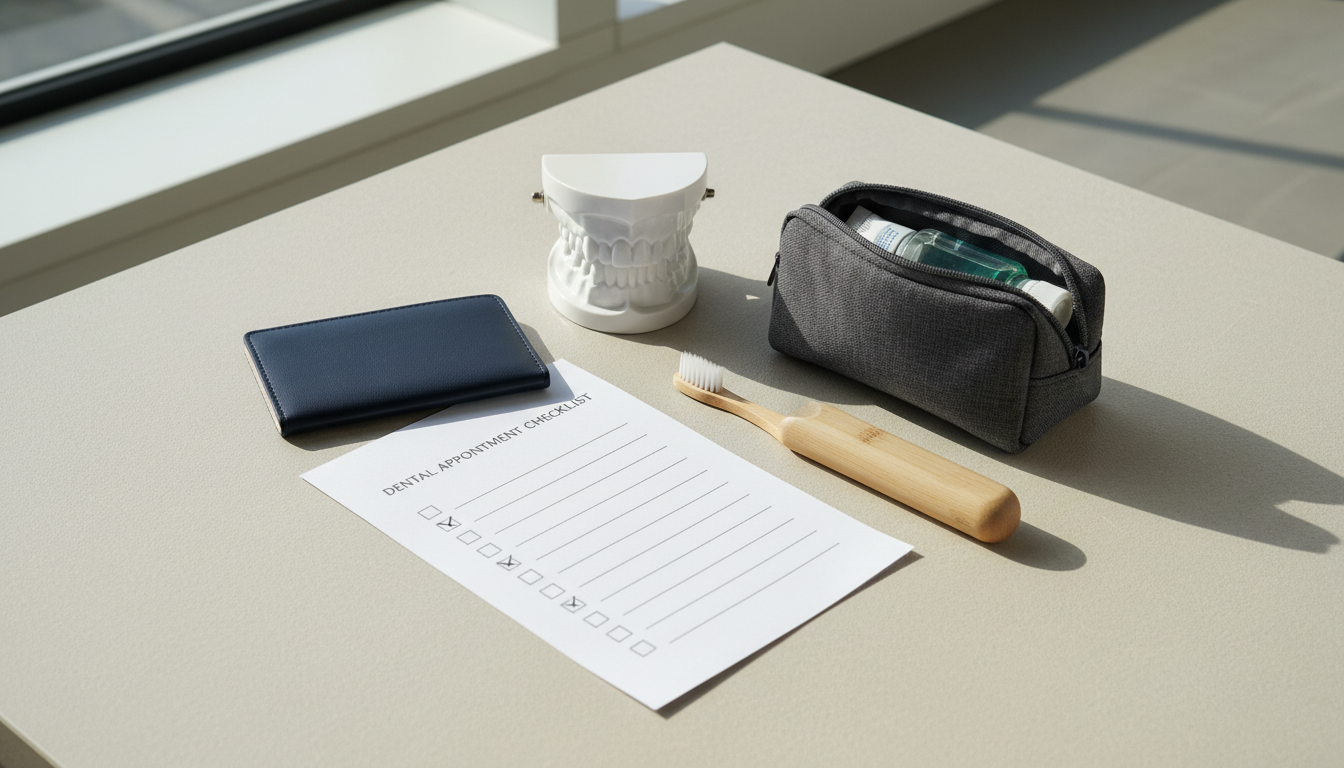
Dental tourism in Turkey involves two care plans. One covers the appointments in Istanbul, and the other covers the days and months after you go home. Write the second plan before you book the first. Identify who will review the treatment, how you will obtain records and what to do if you need help in another time zone. This checklist is designed for patients from Australia, Canada, the United Kingdom and the United States who want to make those arrangements before travelling.
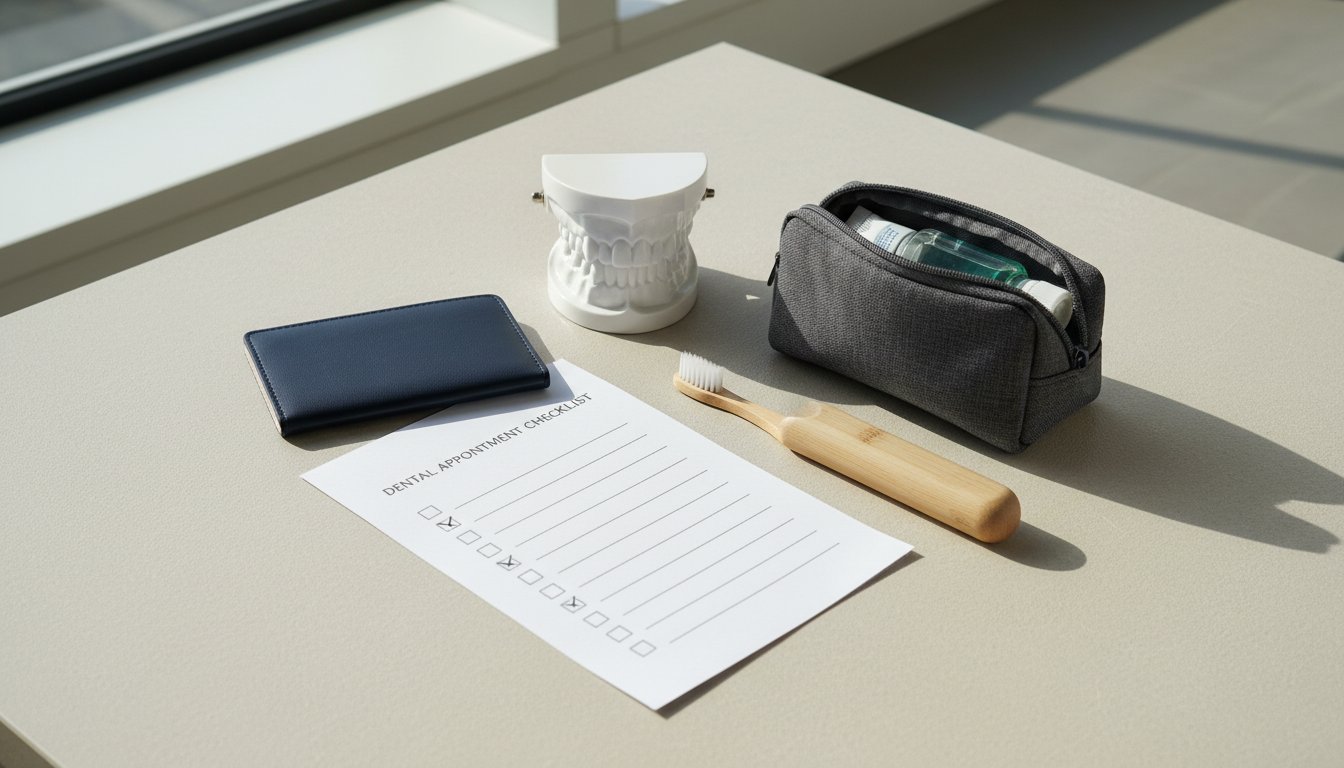
1. Decide who will provide follow-up at home
Speak to your usual dentist before booking treatment. Explain the type of procedure you are considering and ask whether the practice could review work completed abroad. The answer may depend on the practice’s experience, the records available and whether the restoration uses parts it can obtain. Ask how much an initial review would cost, how appointments are booked and what support is available outside normal hours.
If your usual dentist cannot provide a particular service, ask how to identify a suitable local clinician and what information they would need. If your treatment involves a fixed implant bridge, mention the proposed implant system and ask whether the local dentist can examine and maintain it. If it involves crowns or veneers, ask whether the dentist can evaluate discomfort, fit or changes in your bite. Record what the practice agrees to do so your plans reflect the care available.
2. Ask the Istanbul clinic for a written discharge plan
Before travel, ask what instructions you will receive and who will explain them. The details depend on the procedure and your individual assessment. Ask when a review is planned, whether you need to remain in Istanbul for it and how you should contact the clinic when you are back home. Get the name of a clinician or team responsible for follow-up, their usual hours and the route to use for a time-sensitive question.
At the final appointment, ask the clinician to distinguish instructions for a temporary restoration from instructions for a permanent one. Ask what changes should prompt you to contact them and when you should seek assessment locally. If you have appointments booked in Istanbul after the procedure, ask what each appointment will check. Ask the treating clinician when flying is appropriate for your case and arrange your flights around the advice you receive.
3. Collect the records your home dentist can use
Request a treatment summary in English that lists the dates, teeth treated, procedures and materials. Ask how relevant images and reports will be supplied and whether your dentist at home can access the files. For implant cases, request the brand, model and component information. For restorations, ask for the tooth chart, the materials used and any relevant laboratory details. If a course of treatment is unfinished, ask the clinic to identify the work still to be done and the expected timing.
Keep the invoice and treatment summary separately. An invoice explains what you paid for and a clinical record explains what the dentist did. Confirm that the treatment record reflects the final plan if it changed during your stay. Ask the clinic to explain any term you do not recognise before you leave. Save a copy you can access even if you cannot reach the original provider during local working hours.
4. Know how to get local care if a problem needs attention
Ask what the treatment team expects during recovery and which signs should lead you to seek help. Have a local route for urgent assessment. If you have worrying or rapidly worsening symptoms, seek appropriate local dental or medical care. In a medical emergency, use the local emergency service. An email exchange with an overseas provider can help share information after you arrange the care you need where you are.
Write down the best contacts before the trip. Include the treating clinic, local dental practice, your insurer’s assistance line where applicable and the local urgent-care option. Store these details somewhere accessible while travelling. Ask the overseas provider what records it can send directly to a local clinician with your permission. If you receive care elsewhere, request a copy of that clinician’s notes so the two teams can work from the same information.
5. Read the warranty and insurance documents as separate agreements
A clinic warranty can define which parts or work the provider agrees to replace and which steps you must follow to request help. Your travel insurance and health cover have separate terms. Ask who pays for a local assessment, temporary repairs, laboratory work, emergency care, flights or accommodation. Find out whether a claim requires contacting the original clinic before any remedial work and how that provision applies if you need urgent local care.
If you live in Australia, read the Australian Dental Association’s guidance on overseas elective care and verify exclusions with your insurer and health fund. Canadians can consult the Government of Canada’s guidance on medical care outside Canada. UK travellers can read the General Dental Council guidance on treatment abroad and US travellers can consult the CDC’s medical tourism guidance. Ask your own providers to explain the coverage that applies to your specific plans.
Dental Tourism in Turkey: Budget for Follow-up at Home
Before committing to dental tourism in Turkey, confirm who will provide each planned review and keep the written arrangements with your appointment details. If you are comparing dental tourism in Turkey with local treatment, include the time and fees for follow-up in both totals.
Add the cost of one planned review, foreseeable ongoing maintenance and any appointments already recommended in the written treatment plan. Keep a separate estimate for contingencies such as an additional review, temporary restoration work or a return journey. Write down which expenses would arise at home and which would be charged overseas. Use AUD, CAD, GBP or USD consistently when comparing your options.
Create a separate line for the second stage of treatment if your plan involves a return visit. Ask which clinical findings determine when the next stage can go ahead. If the clinic changes the schedule, clarify which payments can be carried forward and which travel costs you would need to cover. For dental tourism in Turkey, a practical budget should describe the entire course of care from the first local opinion through the final planned review.
7. Confirm your care plan before leaving Istanbul
Before the last appointment ends, check whether you understand which work was completed, which work is provisional, when the next review should take place and who will do it. Verify that you have the contact details and records you need. Ask what to do if the overseas clinic is closed when you need help, and how your local dentist can obtain additional records with your consent.
If you travel with a companion, consider sharing the clinic contact and appointment details so they can help you keep track of logistics. Keep clinical records in a private place and use an appropriate channel when sharing them with a treating professional. If there is uncertainty about which team will review the work, resolve it while both teams still have time to discuss their roles. Write down the arrangements and add any scheduled follow-up to your calendar.
A practical exercise for patients flying home to Australia
Imagine that your final appointment is on a Friday and you will return to Australia the following week. You know the clinic’s general phone number but have no details for the clinician who fitted the restoration. Before flying, ask for the aftercare contact and the time window in which clinical enquiries are handled. Ask how your local dentist can request extra records and who can authorise their release. Store that information together so the time difference does not become an obstacle if a question arises.
Run the same exercise with your local practice. Ask what it would do if you called about a restoration it did not place and what documents would help it assess the issue. If it would need to refer you elsewhere, ask how that referral would work and whether you could arrange an initial review in advance. Patients returning to Canada, the US and the UK can follow the same steps with the practices and urgent-care routes where they live.
Finally, ask the overseas clinic to explain what it means by remote follow-up. A video conversation may help you describe a concern or share a local dentist’s findings. Ask which decisions the clinic can discuss remotely and when an in-person examination is required. Confirm whether follow-up is included in the original quote, how to arrange a conversation across time zones and what information you should have on hand.
What if my treatment ends with temporary teeth?
Ask which stage has been completed, how the temporary restoration should be looked after and what to do if it needs attention. Confirm what information the original clinic wants before deciding the next step. If you have a second trip planned, ask whether the clinical review can occur before you commit to the return flight. Keep the financial quote for the final stage with your travel budget so you can plan both together.
Ask about follow-up when you request an appointment
If you are considering an assessment at Dentist in Taksim, use the contact page for our Şişli clinic to ask what the first appointment can clarify and which records you may need to bring. Mention where you live and any constraints on your ability to return. Ask how the clinic would document the work and communicate with a dentist at home. Discussing those questions early gives you time to arrange follow-up and decide whether the trip fits your circumstances.