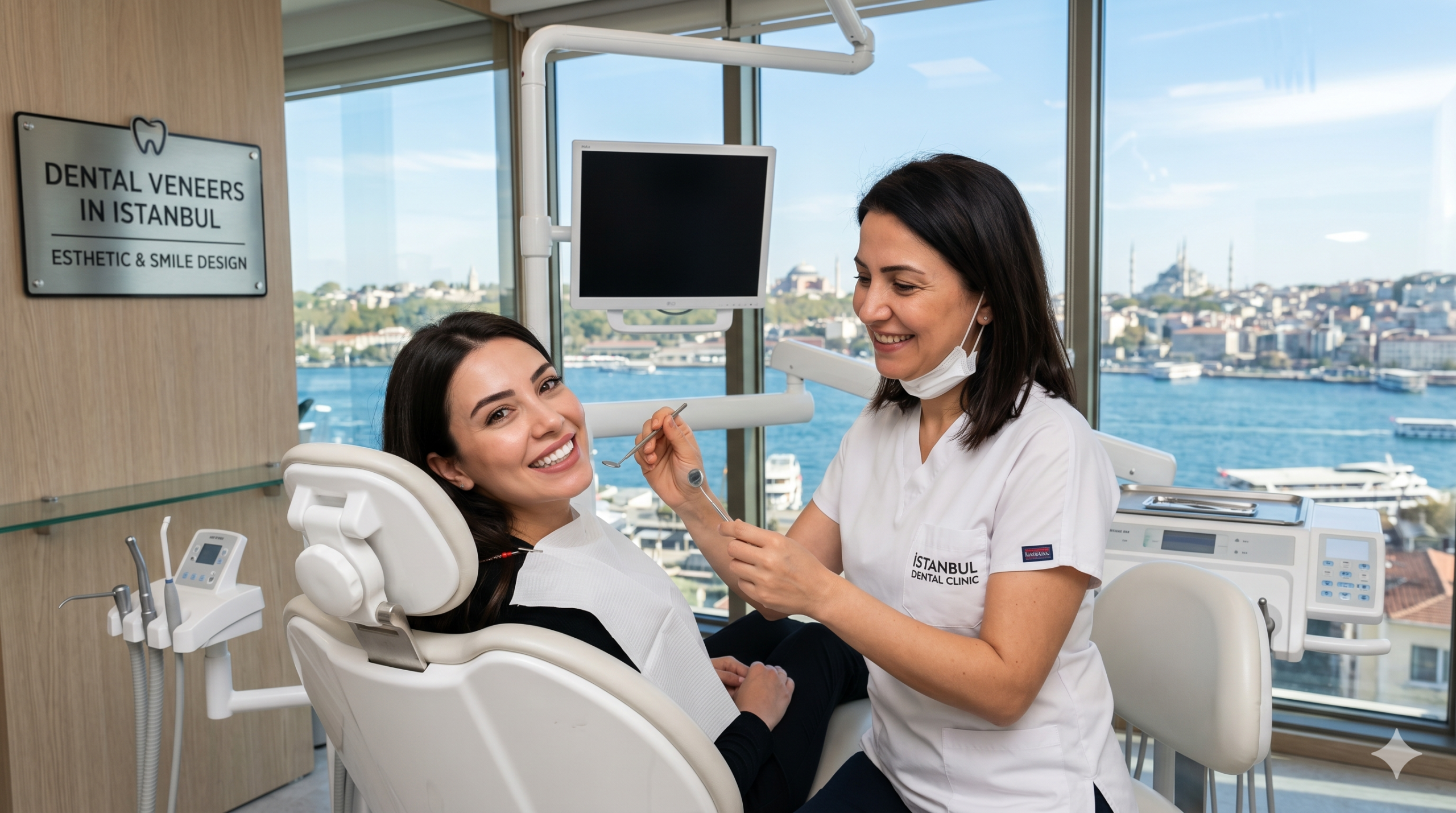
E.max Dental Crowns in Istanbul: Materials, Treatment and Patient Safety
E.max dental crowns in Istanbul are among the ceramic restoration options that a dentist may discuss when a tooth needs a crown. Choosing a material should begin with the condition of the tooth, the bite, oral health and treatment goals rather than a package advertisement. The term E.max is commonly associated with lithium disilicate glass ceramic restorations. Whether this option is suitable depends on individual clinical circumstances and the planned restoration design. This guide explains what patients from the United Kingdom, United States, Canada, Australia and other countries should ask before travelling for dental crowns. Dentist in Taksim is the established website name; the current clinic address is in Şişli, Istanbul.
What Is an E.max Crown?
An E.max crown is generally described as a ceramic crown made with an appropriate lithium disilicate glass ceramic system. It may be considered for selected restorations because of its aesthetic and material properties. However, E.max is not a universal solution for every damaged tooth or every part of the mouth. The dentist must assess the remaining tooth structure, gum condition, occlusion and any earlier dentistry before recommending a material. Some cases may be better managed with different ceramics, metal-based designs or other restorative treatments. The commercial material name does not establish that a restoration will be long-lasting or suitable for everyone.
Why a Dental Examination Comes First
Symptoms, prior root canal treatment, decay, fractures and periodontal concerns can all influence whether a tooth can support a crown. The dentist may need imaging or further tests to understand the supporting structures. A cosmetic request cannot safely override the need to manage infection or significant disease. Remote photographs can help describe a concern but cannot confirm the full diagnosis. Ask which tooth requires restoration, whether the tooth can be maintained and how much natural structure would be removed. A written explanation of alternative options should form part of informed consent before preparation begins.
Crowns Versus Veneers and Onlays
A crown typically covers a prepared tooth more extensively than a veneer. An onlay may restore part of a damaged tooth in suitable circumstances. These options are not interchangeable and require assessment of structural damage, remaining enamel, bite and other clinical findings. A patient with healthy teeth should not automatically receive multiple crowns solely to achieve a brighter smile. Ask whether conservative alternatives such as bonding, whitening or orthodontics could address the concern. Our veneers versus crowns comparison explores the different purposes and limitations of these treatments.
Material Selection and Aesthetics
The appearance of a crown depends on shade, translucency, underlying tooth colour, surrounding gums and the design of the restoration. A dentist may discuss lithium disilicate, zirconia, other ceramics or metal-based restorations depending on the tooth and planned function. Materials differ in physical characteristics and processing. An especially white restoration may look unnatural beside neighbouring teeth. A clinician should review colour expectations and explain any limits before definitive fitting. No material can guarantee a precise cosmetic result for every patient, and restorations may eventually need adjustment, repair or replacement.
Bite Forces and Functional Planning
A crown must function with opposing teeth, adjacent restorations and the patient’s bite. Tooth grinding, clenching or heavy contacts may influence design and material selection. A dentist may assess whether additional management is required to reduce the risk of fracture or discomfort. The material alone does not compensate for a poorly planned bite. Ask how the restoration will be checked and whether a follow-up visit is recommended after fitting. If you already have jaw discomfort or significant tooth wear, share this information with the clinician before agreeing to multiple restorations.
Treatment Preparation
When a crown is appropriate, the dentist usually prepares the tooth to accommodate the restoration. Tooth preparation is irreversible, so it requires a clear clinical explanation and consent. The amount of preparation varies according to the tooth condition, material and restoration design. Existing decay, a damaged filling or another dental problem may need management before the crown can be completed. A temporary restoration might be necessary while laboratory work is performed. Ask what to do if sensitivity develops or a temporary crown becomes loose. Preparation should not be rushed to meet a holiday schedule.
Digital Scans and Laboratory Work
A crown is made using information about the prepared tooth, neighbouring contacts and the bite. This may involve a conventional impression or digital scanning. The design and fabrication process can vary by clinic and laboratory. Do not assume that a particular technology is available simply because it appears in a promotional article. Ask which material and production method will be used and how the fit will be reviewed. Laboratory adjustments may require additional appointments. An accurate travel plan should allow the dental team to complete the necessary assessment and fitting rather than relying on a rigid guarantee.
Fitting and Adjustments
Before permanent placement, the dentist examines how the restoration fits and whether contacts, bite and appearance are acceptable. Further adjustment or remake may be necessary in some cases. Patients should report any sensation of a high bite, difficulty chewing or discomfort. A crown that looks attractive but interferes with function requires professional review. If another appointment is needed, the clinical team should explain options. International patients should leave sufficient flexibility in their travel arrangements to accommodate appropriate review. Do not attempt to reshape, repair or reattach a crown yourself.
Costs of E.max Crowns in Istanbul
Costs depend on the diagnosis, condition of the supporting tooth, material, laboratory work, number of crowns and any additional treatment required. The need for imaging, periodontal care, root canal treatment or temporary restorations can change the quotation. Request a current, itemised written proposal specifying the affected tooth numbers and included services. Old online price figures may be inaccurate, and quoted starting prices do not represent a diagnosis. International travellers should consider flights, hotels, local transfers and possible further appointments when comparing costs. Neither a low price nor a premium material name guarantees quality or a particular result.
Risks and Limitations
Crowns may be associated with sensitivity, discomfort, loss of retention, chipping, fracture, gum irritation, decay around the supporting tooth or later need for additional dental work. Not all complications can be predicted. Patients should understand the possibility of repairs or replacement and any material-specific limitations. The dentist should explain individual risks and alternatives before obtaining informed consent. Claims that a crown procedure is entirely painless, permanent without maintenance or universally suitable should not be relied upon. If you develop severe or increasing pain, fever or swelling, seek prompt professional assessment.
Aftercare and Ongoing Maintenance
A crown does not prevent gum disease or decay around the tooth. Continue brushing, appropriate interdental cleaning and professional assessments as recommended. Your dentist may give specific care instructions after cementation or bonding. Report persistent sensitivity, an uncomfortable bite or a loose restoration. Some patients require additional management of clenching or other risk factors. Ask whether a future local dentist can maintain the restoration and what records will be provided. Long-term success depends on multiple clinical and personal factors rather than the choice of material alone.
Travelling for Dental Crowns
International patients should confirm the current clinical location, the expected number of appointments and the provisional treatment schedule before booking restrictive flights. Istanbul Airport and Sabiha Gökçen Airport serve different parts of the city, and road travel to Şişli varies by traffic. A long journey immediately before examination may be tiring. If the first visit reveals additional dental problems, the plan may need to change. Ask how follow-up care or later repairs could be managed in your home country. Our international patient guides cover travel considerations for the US, UK, Canada and Australia.
The Current Clinic Is in Şişli
Dentist in Taksim is the website name, but the actual clinic address is Merkez Mah., Abide-i Hürriyet Cd., Melis Apt. No:181/B Şişli/İstanbul, Türkiye. The clinic is no longer at its former Taksim location. Please use this current address for appointment enquiries and directions. Historic descriptions of dental clinics in Taksim should not be taken as the current treatment location. Contact the clinic to verify whether a specific restoration option is offered and suitable for your case. Visit our contact page for the correct location and appointment details.
Questions to Ask Before Agreeing
Which tooth requires a crown and why? What evidence supports the diagnosis? What less invasive alternatives are available? Which exact ceramic and restoration design are proposed? How much tooth structure will be prepared? Are temporary crowns and laboratory adjustments included? What risks and maintenance needs apply? How many appointments are likely, and what happens if more treatment is needed? What records and itemised invoices will be provided? These questions are more reliable than marketing promises. You should be able to discuss the answers with the treating dentist and decide without undue pressure.
Frequently Asked Questions
Is E.max always better than zirconia? No. Material selection depends on the tooth, bite, appearance and clinical needs.
Is an E.max crown the same as a veneer? No. They differ in coverage and preparation.
How many visits does crown treatment require? The schedule depends on examination, laboratory work and adjustments.
Do all crowns last for life? No. Restorations can require maintenance, repair or replacement.
Can my dentist at home maintain the crown? Discuss this ahead of time and retain treatment records.
Where is the clinic located? At Abide-i Hürriyet Cd. No:181/B in Şişli, Istanbul.
How can I book a consultation? Use the contact page.
Disclaimer and Further Information
This guide provides general information, not personalised clinical advice or a guarantee of service availability. A qualified dental professional should determine the appropriate procedure, risks and timing after an examination. Outcomes, costs and healing requirements vary. For further reading, see our zirconium crowns guide, dental veneers overview and treatment costs and planning page. Contact Dentist in Taksim for an individual appointment enquiry at the current Şişli address.