E-Max Veneers in Istanbul – Natural-Looking Smile Makeovers in Turkey
A beautiful smile does not necessarily mean having extremely white, perfectly identical teeth. For many patients, the goal of cosmetic dentistry is much more subtle: healthier-looking proportions, a brighter shade, improved symmetry and a result that still looks natural when speaking, smiling and laughing.
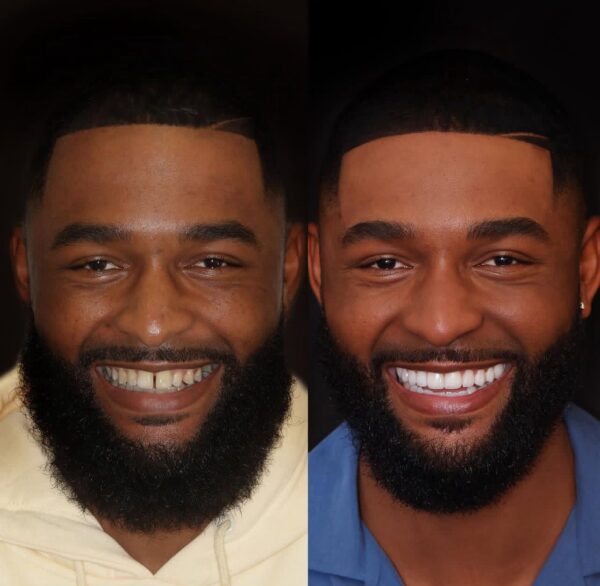
E-Max veneers in Istanbul are one of the cosmetic dental options that may be considered for patients seeking a natural-looking smile makeover. Made from lithium disilicate ceramic, E-Max restorations are valued for their combination of aesthetics, translucency and strength. Their optical properties can allow light to interact with the restoration in a way that resembles natural dental enamel.
For international patients considering veneers in Turkey, however, choosing the material is only one part of the decision. The final appearance of a smile also depends on treatment planning, tooth preparation, shade selection, facial proportions, bite considerations and the skill of the dental team.
This guide explains how E-Max veneers work, who may be suitable for them, how treatment is planned and what patients should consider before travelling to Istanbul for a smile makeover.
What Are E-Max Veneers?
E-Max is a type of dental ceramic based on lithium disilicate. It is widely used in restorative and cosmetic dentistry for treatments such as veneers, crowns and certain other ceramic restorations.
An E-Max veneer is a thin ceramic restoration bonded to the visible surface of a tooth. Rather than replacing the entire tooth, a veneer is designed primarily to modify its visible appearance.
Depending on the individual case, veneers may be used to improve concerns involving:
- Tooth colour
- Minor gaps
- Uneven tooth shapes
- Worn edges
- Small or disproportionate teeth
- Mild asymmetry
- Certain minor alignment irregularities
- Existing cosmetic restorations requiring replacement
E-Max is particularly associated with aesthetic dentistry because ceramic can be produced in different shades, levels of translucency and surface characteristics.
The objective should not simply be to create white teeth. A carefully designed veneer should work with the patient’s lips, gums, facial features and surrounding natural teeth.
Why Are E-Max Veneers Popular for Natural-Looking Smiles?
Natural teeth are not completely opaque. Enamel interacts with light and has subtle differences in colour, brightness and translucency.
One reason E-Max veneers are frequently considered for aesthetic cases is their ability to reproduce some of these optical characteristics.
A natural-looking smile may include subtle details such as differences between the central incisors, lateral incisors and canine teeth. Tooth edges can also have varying levels of translucency.
Creating these details requires more than selecting a ceramic material. The dentist and dental laboratory must consider the patient’s existing tooth colour, desired shade, veneer thickness and overall smile design.
For patients who specifically want a natural result, the consultation should therefore include a discussion about the desired level of brightness and whether the patient prefers a subtle improvement or a more dramatic cosmetic transformation.
E-Max Veneers vs Zirconium Crowns
Patients researching cosmetic dentistry in Turkey often encounter both E-Max veneers and zirconium crowns.
These are not interchangeable treatments.
A veneer generally covers mainly the visible front surface of the tooth and may require relatively conservative preparation depending on the case. A crown covers substantially more of the tooth structure and is typically used when greater structural coverage is required.
Zirconia is a strong ceramic material frequently used for crowns and bridges. E-Max lithium disilicate is also used for crowns, but it is especially well known for highly aesthetic restorations.
The appropriate choice depends on the condition of each tooth.
A tooth with extensive fillings, significant structural damage or certain functional requirements may need a different restoration from a healthy tooth requiring primarily cosmetic modification.
For this reason, patients should avoid choosing between veneers and crowns solely on photographs or price.
A clinical examination is necessary before determining which restoration is appropriate.
Who May Be Suitable for E-Max Veneers?
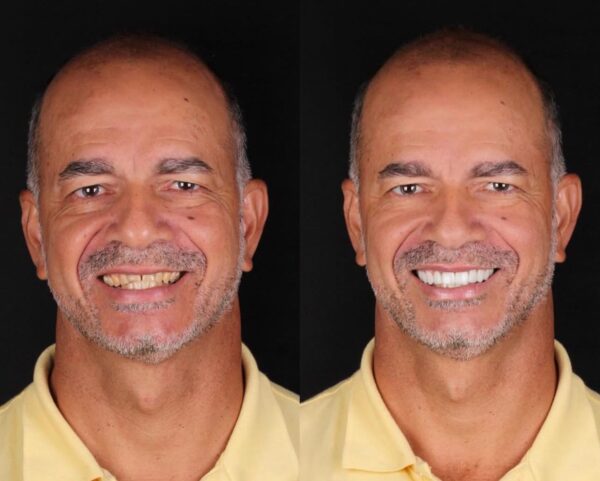
E-Max veneers may be considered for adults who have generally healthy teeth and gums but would like to improve specific cosmetic characteristics of their smile.
Possible candidates may include patients with:
- Persistent tooth discolouration
- Minor spaces between teeth
- Uneven tooth lengths
- Worn or chipped edges
- Mildly irregular tooth shapes
- Small teeth
- Previous veneers that require assessment or replacement
- Cosmetic concerns that cannot be adequately addressed with whitening alone
However, veneers are not automatically suitable for everyone.
Active gum disease, untreated decay, severe bite problems, significant tooth damage or heavy teeth grinding may need to be addressed before cosmetic treatment.
Some patients may also benefit from orthodontic treatment instead of—or before—veneers when tooth position is the primary concern.
A dentist should assess these factors before recommending treatment.
Do Teeth Need to Be Shaved for E-Max Veneers?
This is one of the most common questions asked by patients considering veneers in Istanbul.
The amount of tooth preparation varies.
In some cases, minimal enamel preparation may be required to create enough space for the ceramic and prevent the final teeth from looking bulky. Other cases may require more preparation because of tooth position, existing restorations or the desired change in shape.
There are also selected situations where very conservative or minimal-preparation veneers may be possible.
However, “no-prep veneers” should not be treated as a universal solution.
Adding ceramic to a tooth without creating appropriate space can sometimes result in excessive thickness or an unnatural contour.
The goal should therefore be to preserve healthy tooth structure whenever clinically appropriate while still creating enough space for an aesthetic and functional restoration.
How Many E-Max Veneers Do You Need?
There is no standard number of veneers required for a smile makeover.
Some patients may only need treatment on a few teeth, while others may consider a broader smile-zone treatment.
Common plans can involve 6, 8, 10 or more teeth, but the correct number depends on the individual’s smile.
During planning, the dentist may consider:
- How many teeth are visible when smiling
- Smile width
- Tooth proportions
- Existing tooth colours
- Gum levels
- Facial symmetry
- Upper and lower tooth relationship
- The patient’s cosmetic goals
Treating too few teeth can sometimes create an obvious difference between restored and natural teeth. Conversely, treating healthy teeth unnecessarily should also be avoided.
The treatment plan should therefore be individualized.
Choosing the Right E-Max Veneer Shade
One of the advantages of modern cosmetic dentistry is the wide range of possible ceramic shades.
Not every patient wants extremely bright white teeth.
Some prefer a noticeable Hollywood-style transformation, while others specifically request natural-looking veneers that resemble healthy, naturally bright teeth.
Shade selection should take into account factors such as skin tone, lip colour, age, surrounding teeth and the patient’s personal preference.
The shape of the teeth is equally important.
Very bright ceramic can still look natural when tooth proportions, surface texture and translucency are carefully designed. Conversely, a poorly designed restoration can appear artificial even when a conservative shade is selected.
Patients should communicate clearly with their dentist about the type of smile they want before the final restorations are produced.
The E-Max Veneer Procedure in Istanbul
Treatment begins with consultation and clinical assessment.
For international patients, preliminary evaluation may sometimes begin remotely using photographs and available dental records. However, the definitive treatment plan should be confirmed following an in-person dental examination.
The dentist assesses the teeth, gums, bite and existing restorations.
If veneers are appropriate, smile design and treatment planning follow.
Where preparation is required, the teeth are conservatively shaped according to the planned restoration. Impressions or digital scans may then be taken and sent to the dental laboratory.
Temporary restorations may be used in appropriate cases while the final ceramic veneers are being produced.
Once the E-Max veneers are ready, the dentist evaluates factors such as:
- Fit
- Shape
- Shade
- Contact points
- Gum relationship
- Smile symmetry
- Bite
Adjustments can be made when necessary before final bonding.
The veneers are then bonded to the prepared tooth surfaces using an adhesive protocol appropriate for the restoration.
How Long Does E-Max Veneer Treatment Take in Istanbul?
Treatment time depends on the number of teeth being treated, the complexity of the case and whether additional dental procedures are required.
International patients should avoid planning an excessively tight travel schedule.
A smile makeover is not simply a matter of producing ceramic teeth as quickly as possible. Time may be required for examination, preparation, laboratory production, fitting, adjustments and final evaluation.
Patients requiring treatment for gum disease, decay, root canal problems or other dental conditions may need additional appointments.
When planning dental treatment in Istanbul, ask the clinic how many appointments are expected and how many days should be reserved before booking return travel.
How Long Do E-Max Veneers Last?
There is no guaranteed lifespan that applies to every veneer.
Longevity depends on several factors, including the condition of the underlying tooth, bonding, bite forces, oral hygiene and patient habits.
Good daily oral hygiene remains essential after veneer treatment.
Patients should continue brushing appropriately, cleaning between the teeth and attending regular dental examinations.
Habits such as biting hard objects, opening packaging with the teeth or chewing ice can place unnecessary stress on ceramic restorations.
Patients who grind or clench their teeth should inform their dentist. A protective night guard may be recommended in suitable cases.
Can E-Max Veneers Stain?
Ceramic restorations are generally more resistant to external staining than natural tooth enamel.
However, the natural teeth surrounding veneers can still change colour over time.
Oral hygiene also remains important because plaque and staining can accumulate around restoration margins.
Coffee, tea, tobacco and strongly pigmented foods can affect the overall appearance of the smile even when the ceramic itself remains relatively colour stable.
Professional dental cleaning may therefore remain part of long-term maintenance.
Can E-Max Veneers Chip or Break?
Although lithium disilicate ceramic has useful mechanical properties, no dental restoration is indestructible.
Excessive bite forces, trauma, grinding or biting very hard objects can damage veneers.
A small chip may sometimes be manageable, whereas more significant damage may require replacement of the restoration.
This is another reason why bite assessment is important before cosmetic dental treatment.
Patients with significant bruxism should discuss this with their dentist before proceeding.
E-Max Veneers for International Patients in Istanbul
Istanbul has become a major destination for international dental patients because visitors can combine specialist dental care with convenient international travel connections and a wide range of accommodation options.
However, travelling abroad for dentistry requires careful plan


