Teeth whitening in Istanbul should begin with an oral-health assessment and realistic expectations. This comprehensive guide explains methods, risks, cost considerations and how to plan a consultation in Şişli.
How teeth whitening works
Teeth whitening in Istanbul involves a cosmetic process intended to lighten natural tooth colour. Dentist-supervised methods use carefully selected bleaching products after a clinical assessment. Whitening is distinct from removing external deposits through cleaning and from changing tooth appearance with crowns or veneers. An individual response depends on the nature of stains, tooth structure, existing restorations and oral health. A professional should examine teeth and gums rather than promise results from a photo. The responsible approach begins with questions about your expectations and an honest explanation of treatment limitations.
Who is a suitable candidate?
Suitability depends on examination findings. Decay, inflamed gums, exposed root surfaces, cracked teeth or significant sensitivity can affect the decision to proceed. Previous dental work, pregnancy or breastfeeding, age and medical history may also matter. Patients with a darkened single tooth can have different treatment needs from those concerned about general staining. A qualified dentist should consider why discolouration occurred before suggesting products. Some patients benefit more from cleaning, restorative treatment or no cosmetic intervention. It is reasonable to decline whitening if the risks or likely improvement do not justify it.
In-clinic versus supervised home whitening
Professionally supervised home-tray whitening and chairside whitening have different schedules and product protocols. Custom trays may require an impression or digital record and instructions for using a specific gel. In-clinic treatment may incorporate protective measures for gum tissue and monitoring during the appointment. Neither method guarantees the same final shade for every patient. Terms such as laser, LED and instant should not substitute for discussing the active ingredient, concentration and expected adverse effects. Ask who supervises treatment and what to do if you develop discomfort. Product suitability and treatment duration must be determined individually.
What the dental consultation should include
The appointment should cover the patient’s chief concern, oral-health history, current medication and prior whitening experiences. A dentist can examine gum condition, enamel, existing crowns, fillings and symptoms such as cold sensitivity. Clinical imaging should be used when indicated rather than automatically. Discuss what shade changes are realistic and whether stains are likely to respond. Ask for a written proposal explaining preparation, method, estimated appointment requirements and follow-up. You should understand alternatives and possible complications before consenting. International visitors should also ask how records or aftercare information can be obtained after returning home.
Tooth sensitivity and other risks
Sensitivity to cold or sweet foods may occur during or after whitening; gum irritation is another recognised adverse effect. Pre-existing sensitivity, exposed dentine and certain restorations can increase discomfort or make treatment unsuitable. More bleaching gel or repeated sessions do not automatically produce better results and can increase exposure. Avoid unregulated products, harsh internet remedies and excessive applications. Ask the dentist about managing sensitivity and when treatment should stop. The American Dental Association explains known whitening-related adverse effects. No responsible provider should describe bleaching as invariably painless, risk-free or permanent.
Cleaning and whitening are not the same
Professional cleaning focuses on plaque, tartar and surface deposits that can contribute to oral disease or staining. Whitening aims to change the shade of natural tooth structure. A patient requesting bleaching may first need cleaning or gum treatment; another may be satisfied once external stains are removed. Neither choice should be made without looking at the condition of the teeth and gums. See the professional dental cleaning guide to understand hygiene treatment. Cosmetic treatment must not conceal a problem that needs diagnosis.
Crowns, veneers and fillings react differently
Existing porcelain crowns, composite fillings and ceramic veneers will not whiten like natural teeth. This can create a visible colour mismatch if the surrounding teeth become lighter. Replacing sound dental work only to pursue a dramatic shade is not automatically justified. The clinician should discuss whether preserving the restoration is preferable, whether shade matching is needed and how treatment stages would be planned. Read our veneers versus crowns comparison and veneers patient guide. Whitening is a separate intervention, not a cheaper version of a crown.
How long could results last?
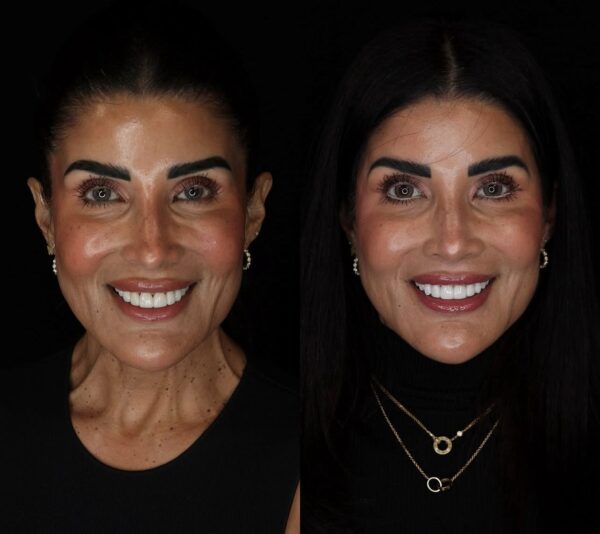
A whitening result is not permanent and cannot be predicted exactly from someone else’s pictures. Tooth colour changes over time and can be influenced by food, drinks, smoking, oral hygiene and individual factors. Follow-up requirements vary, and repeated whitening should not be undertaken without advice. Before treatment, ask how the dentist will monitor shade change and what maintenance, if any, is suitable. Be cautious of internet advertisements with guaranteed shades or permanent results. Lighting and editing can strongly affect before-and-after photographs. A balanced discussion includes both possible improvement and the option of doing nothing.
Understanding the overall cost
A quote may depend on the initial assessment, whether cleaning is required, the selected bleaching protocol, any trays and review visits. If a tooth needs other dental treatment first, that should be explained separately. Ask for an itemised quotation in a stated currency and which follow-up services are included. International visitors should also consider travel, accommodation and time away from work. Advertised starting prices are not reliable substitutes for a personalised examination and treatment plan. Avoid choosing a dentist solely because an online banner displays the lowest price; consent, quality of assessment and clarity about risks matter.
Planning dental whitening during a visit to Istanbul
Visitors from the UK, Ireland, US, Canada and Australia should share their dates, any existing restorations and symptoms when making an appointment enquiry. Some methods take multiple visits or a longer course, so a short holiday may not fit the safest approach. Leave contingency in the itinerary in case the dentist recommends prior treatment or decides whitening is not suitable. Never book non-refundable travel solely on a promised shade. Use the international patient planning guide for questions about appointment records and travel timing. Clinical decisions cannot be finalised remotely.
Current clinic location in Şişli
The website retains the Dentist in Taksim name, but current consultation information places the clinic in Şişli, Istanbul. The published address is Abide-i Hürriyet Caddesi No:179, Şişli; verify the address, practice details and appointment time before departing. Online enquiries do not imply continuous opening or immediate availability. Guests staying around Taksim Square should account for local transport rather than assuming the practice is still in the original district. The clinic relocation notice explains the change and the contact page provides a starting point for enquiries.
Care after a whitening procedure
Aftercare should follow the instructions of the clinician who assessed your teeth and administered or prescribed the product. You may receive advice about sensitivity, oral hygiene, diet and how to use any home trays. Persistent pain, gum irritation or unexpected symptoms merit professional review rather than more bleaching. Keep treatment details to share with a dentist at home if necessary. Do not combine commercial strips, concentrated gels and abrasive powders without discussing them with a professional. Teeth continue to change naturally over time; maintenance decisions should be based on oral health and individual goals rather than a fixed marketing schedule.
Questions to ask your dentist
Ask which tooth changes are expected, whether your restorations can create shade mismatch, whether gum treatment is needed first and which method is appropriate for you. Request clear information about sensitivity and what to do if it occurs. Clarify how many visits may be required, who will provide the treatment, the total fee and how you can reach the practice after returning home. Ask what alternatives would involve less intervention, including cleaning alone or declining cosmetic treatment. A clear consent discussion is a stronger indicator of a responsible service than a dramatic promotional photograph. You should never feel rushed.
Independent guidance and advertising red flags
Be cautious of websites promising zero discomfort, guaranteed results or universally suitable products. Claims about awards or credentials should be verifiable, and a provider should not use fabricated testimonials or imply that every patient achieves the same shade. A consultation should address risks rather than dismiss them. Independent patient information is available from the NHS teeth whitening guidance and the American Dental Association. Those sources explain common considerations but cannot determine which method is right for you.
Frequently asked questions
Can whitening change the colour of crowns?
Not in the same way as natural teeth. Existing restorations may remain a different shade.
Can whitening cause sensitivity?
Yes. Temporary sensitivity and gum irritation are recognised side effects.
Is cleaning enough for a brighter smile?
Sometimes external stain removal meets the patient’s goal, but cleaning does not perform the same function as bleaching.
Can I guarantee a specific shade?
No. The response varies with tooth structure and discolouration.
How many sessions are needed?
It depends on the supervised method, assessment and your circumstances.
Are online whitening kits a safe substitute?
Unsuitable or unregulated products can cause harm; seek advice from a dental professional.
Arrange a considered consultation
For teeth whitening in Istanbul, send details of your main concern, travel dates, previous whitening experiences, known sensitivity and visible restorations to the team through the contact form. A dentist can decide whether an assessment is suitable and explain the available clinical options. There is no guarantee that whitening will be indicated or that a particular result can be achieved. This article provides general education, not a diagnosis, prescription or personalised treatment advice. Treatment choices should follow informed consent and an examination by a qualified professional.